Three views of the same sunrise yesterday. Notice the wide range of colours.
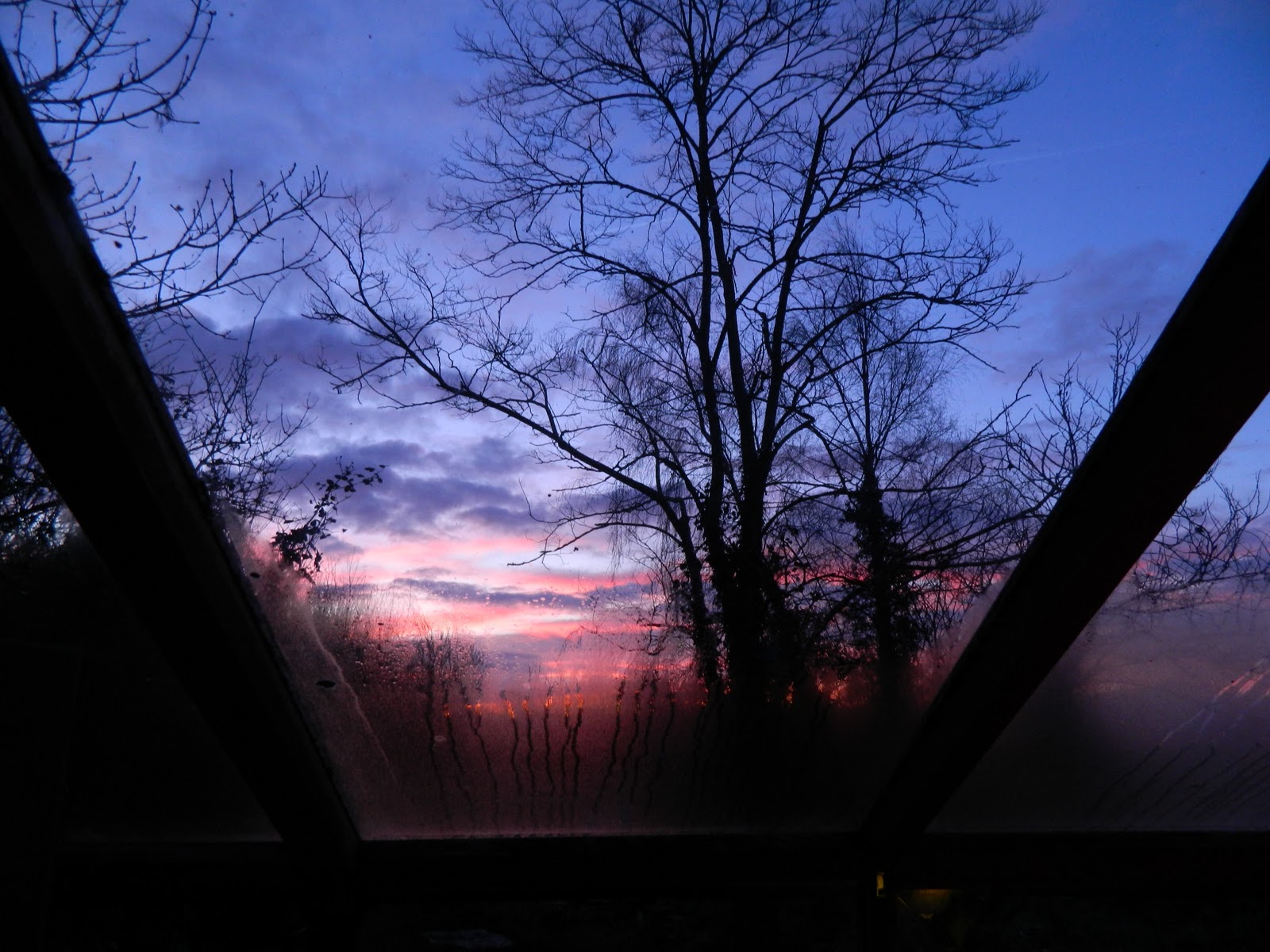
| Our garden through our bedroom windows |

Anita Mathias: Dreaming Beneath the Spires
Anita Mathias's Blog on Faith and Art

Three views of the same sunrise yesterday. Notice the wide range of colours.
| Our garden through our bedroom windows |

| In an orgy of decluttering, I am giving all these books away! |
Finally, brothers, whatever is true, whatever is noble, whatever is right, whatever is pure, whatever is lovely, whatever is admirable—if anything is excellent or praiseworthy—think about such things. And the God of peace will be with you. (Phil 4:8).
This is Paul’s prescription for peace. Perhaps these things–whatever is true, noble, right, pure, lovely, admirable, excellent or praiseworthy–which flow from God, escort us into the presence of God, which is peace.
* * *
I feel ambivalent about that verse. It seems so goody-goody and blinkered, as if one was deliberately ignoring the dark and shadow side of life.
And would one not then be ill-equipped to deal with evil when it confronted you? Bruno Bettelheim’s study of fairy-tales, The Uses of Enchantment argues that fairy tales are a gentle introduction to the darkness the child will definitely face, within herself, probably; outside herself, very likely. (My children, very sadly, found Andersen too heart-breaking, some of Oscar Wilde, too cruel, and Grimm, well, too grim–so I didn’t get to read many fairy tales to them.)
* * *
I am reading One Thousand Gifts, Ann Voskamp’s tribute to positive thinking and gratitude. How does dwelling on the pain and anguished of the world help the anguished? she asks.
But by gratitude for the goodness and joy in the world we help mend one of the cracks in the world: our own hearts, and our own ability to be rejoice and be glad.
And one whole, happy woman overflowing with joy is perhaps of more use to the world than a wide-eyed one, who knows all about all the evil in the world, whose weeping eyes have been pierced by the Ice Queen’s shards.
* * *
 Whatever is true, whatever is noble, whatever is right, whatever is pure, whatever is lovely, whatever is admirable—if anything is excellent or praiseworthy…
I have unconsciously adopted some of this as my mantra for some years. For instance, I resist seeing movies or reading books about the Nazi concentration camps; pogroms, Soviet Gulags, or the horrors of Communist regimes; anything to do with sadism or torture; the suffering of animals; or movies or books with too much violence, war, human degradation, or violent and degrading sex (as opposed to eroticism). Or, mostly, thrillers as I get too stressed watching them.
My children haven’t watched such films either, and are extraordinarily sensitive as a result. We’ve been a no-TV household, which means we are very intentional about what we watch (though we have box sets of Downton Abbey; ssshh Game of Thrones and documentaries).
We decided not to have TV when we got married since watching the news is more time-consuming  than skimming the papers, besides, we could always watch DVDs of the best programs. (Andrew Weil says watching the news increases one’s stress, anxiety and depression; the news is structured to make you feel all is wrong with the world.) Also, we wanted to have more family time, to have quietness in the house, to resist the pressures of consumerism caused by subliminal advertising, and to have children who would read because the atmosphere was relatively distraction-free.
* * *
I am sifting through thousands of books, deciding which ones to keep.
The verse helped me—books which deal with evil, suffering, ugliness, “perversion” are chucked, unless they have extreme redeeming literary merit. I am not interested in bleak, dystopian views of the world.
Because, you see, I know I am acting in a comedy. I know how it is going to end. I have read Revelation. The world ends with a return to order, with a wedding, with dancing, feasting and merriment.
* * *
So as I sift through thousands of books, I am using two yardsticks
1) One is Matthew Arnold’s famous dictum, “Life is too short to read anything but the best which has been thought and said.” I probably will not get to read everything which interests me among “the best that has been thought and said.”  Why waste time with inferior stuff? So, if the book has little literary merit, off it goes.
(In my teens, I read everything, thrillers, mysteries, romances… I have been a bit of a purist since then. I have barely read a thriller, a mystery or a romance since my late teens!!  Yeah, rarefied reading habits!)
2) And the second yardstick I’ve used, very roughly, is Philippians. Does it deal with what is true, right, noble, pure, lovely, admirable, excellent or praiseworthy?
And if it doesn’t, is it really, really well-written?– I’ve real almost all of Rushdie’s novels, and listened to almost all of Toni Morrison’s on tape. Or am I very interested in the subject matter? Or the author’s style
There are bleak, brutal, scarifying novels, like Arundhati Roy’s The God of Small Things, which are exquisitely written and constructed. I have read it twice, both because it was set in the India of my childhood, an intimately familiar setting, and because I was interested in her experiments with language, and the structure of her plot.
But if a book fails both tests—it’s neither well-written, nor interesting and edifying– what conceivable good is reading it going to do me?
Reading about evil weakens the spirit. It clouds it with fear. It shakes and depresses you. There is little good which can come of it.
But I am not going to content myself with a diet of Pollyanna either.
Thankfully, there is a huge middle ground between the Nazi concentration camps and Pollyanna.

![]() |
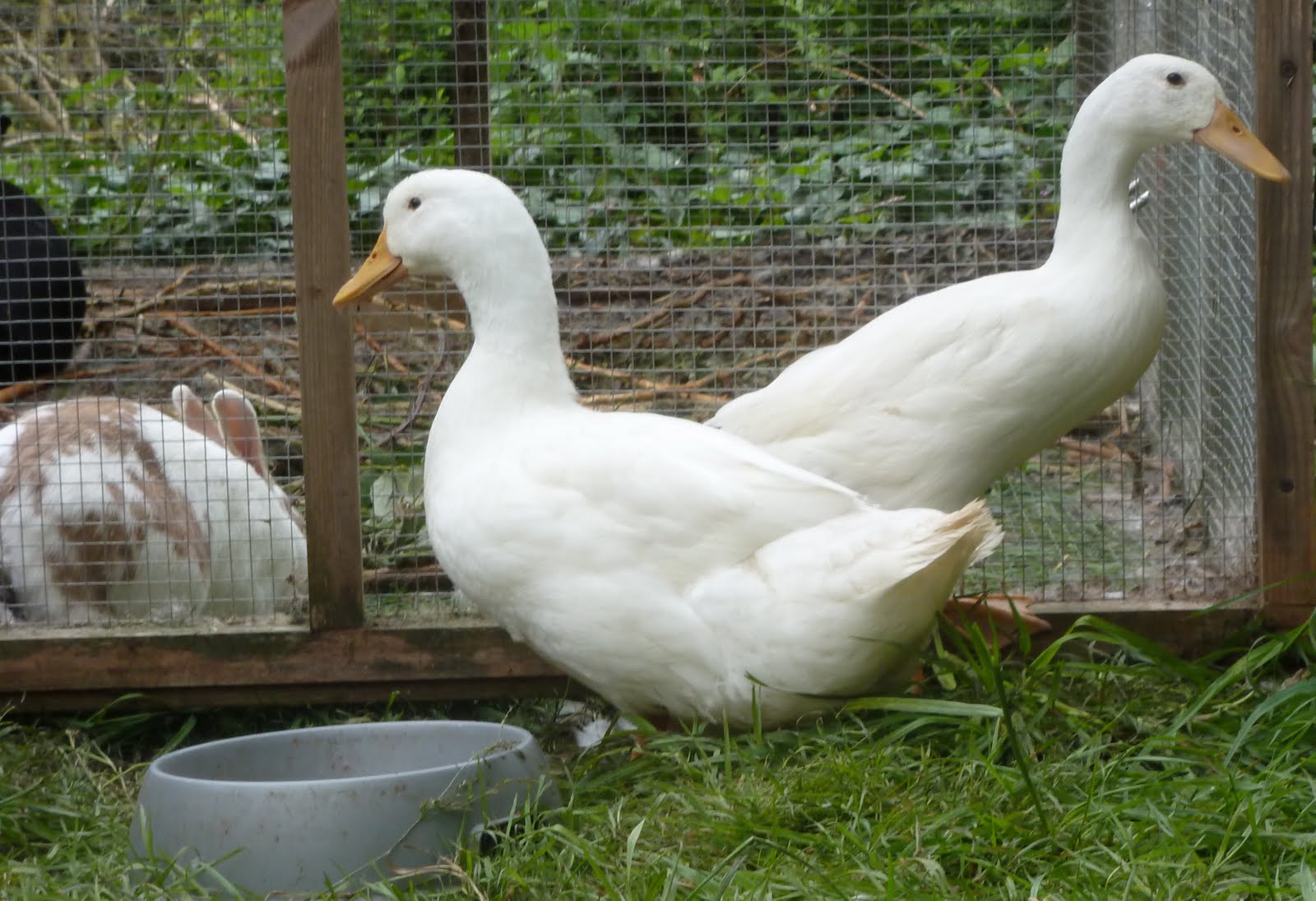
| The ducks love the rabbits, and I love both! |


![]() |
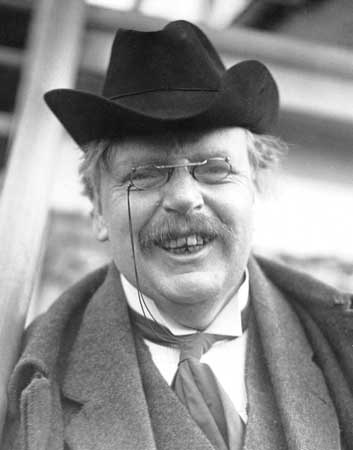
| Image Credit |
* * *
When I was a young girl and then a young woman, I had an older mentor who invested a lot in me—telling me about books, encouraging me to  read. He invested a lot of hope in my writing, and desperately wanted me to be successful, perhaps, I now see, to somehow compensate for his own sense of failure.
Well, I was a disappointment to him. I did read English at Oxford, but he expected me to publish a dazzling book in my twenties. I didn’t. And then in my early thirties, a leading American editor, Ted Solataroff of Harper and Row expressed interest in a book from me.
I wrote one in blood through my first pregnancy, and the first year of my baby’s life, sent it to my childhood mentor, who got it bound, and to Ted, who rejected it. When he did so, I remember lying on my carpet, thinking, “I want to die.”
Well, I did not. Instead I visited my childhood friend and mentor. I had gained weight through my pregnancy, and had clawed 22 pounds off through walking 4 miles a day, and studiously avoiding fat. I was on an upswing, reading again, enjoying writing.
* * *
Mentors and tormentors. Be careful who you choose as a mentor, for there can be a thin line between them.
This man was bitterly disappointed in me, and let me know it. “You gained so much weight; it’s repulsive.” “I read your book, it’s piffle. And you thought Harper and Row would publish that.”
Gosh, just what I needed with a one year old daughter, a marriage under strain from our new daughter and both our fierce ambition for our own work.
I crumbled. I lost the plot. Gained back those twenty-two pounds, and another twenty-two. Slipped into a bleak, bad negative mood. Over-worked, and overworked myself into depression.
* * *
And my friend? Well, four days after my visit, he had a heart attack. He lived for another 9 years, and we resumed a friendly relationship through letters and phone-calls.
But I never visited him again.
When he died, I cried and cried for a few days. Partly, that I had never visited him again. I felt that I had been a poor return on investment. I felt guilty. I thought about the love that had been between us, and forgot that, because of that, he felt free to speak to me with such vitriol.
He was depressed and downcast towards the end of his life. In fact, with some trepidation, I had been considering visiting him around the time he died.
* * *
He died about 8 years ago, and I have always regretted that I didn’t see for the last 9 years of his life.
And today, I am letting that regret go.
Why should another visit have been any different? He was depressed, and dissatisfied, and so would have been even more likely to lash out at anyone who would take it.
To try to feel alive through rage. To feel powerful by trampling someone else down. To channel uncomfortable emotions about the frustrations of his life into a rage-filled demolition job.
But could I have stood it? No, it would have been very hard to deal with it. The last visit took me back several steps. Why do that to myself?
Why put myself into the path of a volcano of someone’s negativity and dissatisfaction, knowing I would have to put myself together again, once more?
Interestingly, I had known this intuitively. When I felt perhaps I should go and visit him, I didn’t because I didn’t want to.
For the last eight years, off and on, I have scolded and castigated myself for ingratitude, for not wanting to go and visit him one last time.
* * *
And today, I actually feel thankful I did not go. The visit could have been like the former one, tears, drama, and exhaustion. I have children. I cannot afford emotional setbacks.
And so I cast out remorse, and was thankful that I was spared more misery, more emotional turmoil, more tears!
When such as I cast out remorse
So great a sweetness flows into the breast
We must laugh and we must sing,
We are blest by everything,
Everything we look upon is blest.Â
W.B. Yeats