Anita Mathias: Dreaming Beneath the Spires

Anita Mathias's Blog on Faith and Art

  • Home
  • My Books
  • Meditations
  • Essays
  • Contact
  • About Me

Archives for June 2012

Prayer is not bound by the laws of space and time. A tale of a hot water bottle in the Congo.

By Anita Mathias


I love “ Is it worth it?” this story about Helen Roseveare. As her name came up in Bible study today, my co-leader, Bridget, whose maiden name was Roseveare, mentioned that Helen was her father’s cousin. England is a relatively small country, and one stumbles on these sort of serendipitous connections all the time.

Bridget told us about this remarkable story, which Helen has recounted in her book, Living Faith. I quote

“One night, in Central Africa, I had worked hard to help a mother in the labor ward; but in spite of all that we could do, she died leaving us with a tiny, premature baby and a crying, two-year-old daughter.
We would have difficulty keeping the baby alive. We had no incubator. We had no electricity to run an incubator, and no special feeding facilities. Although we lived on the equator, nights were often chilly with treacherous drafts.

A student-midwife went for the box we had for such babies and for the cotton wool that the baby would be wrapped in. Another went to stoke up the fire and fill a hot water bottle. She came back shortly, in distress, to tell me that in filling the bottle, it had burst. Rubber perishes easily in tropical climates. “…and it is our last hot water bottle!” she exclaimed.

As in the West, it is no good crying over spilled milk; so, in Central Africa it might be considered no good crying over a burst water bottle. They do not grow on trees, and there are no drugstores down forest pathways. All right,” I said, “Put the baby as near the fire as you safely can; sleep between the baby and the door to keep it free from drafts. Your job is to keep the baby warm.”

The following noon, as I did most days, I went to have prayers with many of the orphanage children who chose to gather with me. I gave the youngsters various suggestions of things to pray about and told them about the tiny baby. I explained our problem about keeping the baby warm enough, mentioning the hot water bottle. The baby could so easily die if it got chilled. I also told them about the two-year-old sister, crying because her mother had died.

During the prayer time, one ten-year-old girl, Ruth, prayed with the usual blunt consciousness of our African children. “Please, God,” she prayed, “send us a water bottle. It’ll be no good tomorrow, God, the baby’ll be dead; so, please send it this afternoon.” While I gasped inwardly at the audacity of the prayer, she added by way of corollary, ” …And while You are about it, would You please send a dolly for the little girl so she’ll know You really love her?”

As often with children’s prayers, I was put on the spot. Could I honestly say, “Amen?” I just did not believe that God could do this. Oh, yes, I know that He can do everything: The Bible says so, but there are limits, aren’t there? The only way God could answer this particular prayer would be by sending a parcel from the homeland. I had been in Africa for almost four years at that time, and I had never, ever received a parcel from home. Anyway, if anyone did send a parcel, who would put in a hot water bottle? I lived on the equator!

Halfway through the afternoon, while I was teaching in the nurses’ training school, a message was sent that there was a car at my front door. By the time that I reached home, the car had gone, but there, on the veranda, was a large twenty-two pound parcel! I felt tears pricking my eyes. I could not open the parcel alone; so, I sent for the orphanage children. Together we pulled off the string, carefully undoing each knot. We folded the paper, taking care not to tear it unduly.

Excitement was mounting. Some thirty or forty pairs of eyes were focused on the large cardboard box. From the top, I lifted out brightly colored, knitted jerseys. Eyes sparkled as I gave them out. Then, there were the knitted bandages for the leprosy patients, and the children began to look a little bored.

Next, came a box of mixed raisins and sultanas – – that would make a nice batch of buns for the weekend. As I put my hand in again, I felt the…could it really be? I grasped it, and pulled it out. Yes, “A brand-new rubber, hot water bottle!” I cried. I had not asked God to send it; I had not truly believed that He could.

Ruth was in the front row of the children. She rushed forward, crying out, “If God has sent the bottle, He must have sent the dolly, too!” Rummaging down to the bottom of the box, she pulled out the small, beautifully dressed dolly. Her eyes shone: She had never doubted! Looking up at me, she asked, “Can I go over with you, Mummy, and give this dolly to that little girl, so she’ll know that Jesus really loves her?”

That parcel had been on the way for five whole months, packed up by my former Sunday School class, whose leader had heard and obeyed God’s prompting to send a hot water bottle, even to the equator. One of the girls had put in a dolly for an African child — five months earlier in answer to the believing prayer of a ten-year-old to bring it “That afternoon!” “And it shall come to pass, that before they call, I will answer; and while they are yet speaking, I will hear.” Isaiah 65:24 ”

Filed Under: random Tagged With: Great Christians, Helen Roseveare

When Was it Ever About My Deserving? Or Why The Gospel is Good News

By Anita Mathias


I had a fail on holiday.  For perhaps the longest period since I became a Christian, I neglected sitting down with my Bible, or having a dedicated period of prayer. I got annoyed with one, then two, then perhaps even three members of my family. The only reason I didn’t get annoyed with any more is that we left the pets at home!


And we were on holiday in a campervan (RV for American readers) which meant that I would feel odd reading my Bible or praying in semi-public if I hadn’t repented and made nice. And so….oops, I didn’t read my Bible! I didn’t set aside a time for prayer. I re-read Wuthering Heights instead!

* * *

And so I was less internally happy, less able to see the world charged with the grandeur of God, singing and bathed in his glory. Normally, on a nature holiday, I sense and worship God deeply while surrounded by beauty.

Yes, I was out of sorts, not really enjoying myself, not totally happy. I had got out of alignment with God, my friend, the ocean in whom I normally try to live.

* * *

And now, I am finding it hard to abide again in the centre of God, as a molecule in the vine. I am blogging on a Biblical passage, and realize I am approaching it with my left-brain, rather than my right; with my mind rather than my heart, spirit and soul.

That’s not a problem for God: he made both sides of the brain, and our minds, as well as our bodies, souls, and spirits. But he might like us to approach his Holy of Holies with our whole selves. (And approaching the Bible that way touches people’s spirits and hearts, as well as their minds.)

* * *

And I say, “Oh Lord, can you bless me?” And then I chide myself, “You’ve not dwelt in the heart of worship for a couple of weeks, Anita. You could have repented and surrendered and returned to live in Christ so much sooner!” And I think “I don’t really deserve God’s help and blessing….”
And then I realize, “When was it ever about my deserving?”

                                               * * *

And I think again about the most incredible thing I know. That when I realize I have blown it, and return, you are full of compassion, you run to me, throw your arms around me, and kiss me.

You barely listen to my litany of failure. Instead you clothe me in your best robes. You put a ring on my finger, and sandals on my feet. You set out a feast and celebrate, serving the best steak. There is music and dancing.

All because I have returned?  

This is incredible, Lord. I don’t deserve it.

And you say, “When was it ever about your deserving?”

And I repent again. Totally.

I will live in the heart of worship, live in you, a molecule of sap in your vine, a happy red blood cell in the beautiful Body of Christ.

And if I fall, I will not delay in fleeing to the sanctuary, to the joyous heart of worship, to the embrace of the Father.


Filed Under: In which I am Amazed by Grace, In which I am amazed by the love of the Father, In which I play in the fields of Theology Tagged With: The love of God, The Prodigal Son

Plan A, Plan B, Plan Z, and Plans for Good

By Anita Mathias


It’s exam season in the UK at present. My daughter Zoe took exams last May and June, aged 16; this year, aged 17, and will do so again next year, aged 18. And then, in 2015-2018 it will be Irene’s turn.
British Universities state the minimum grades necessary to be considered for admission. So these examinations determine whether, for the next phase of their lives, they dwell in their personal Plans A, Plan B or perhaps, Plan Z.
                                              * * *
Very few people live their lives in Plan A. At 17, my Plan A, oddly, was to become a nun, and work with Mother Teresa’s Missionaries of Charity. Well, I entered the novitiate, but left 14 months later, when I was 18.
Plan A was then academics. I read English at Somerville College, Oxford, and was accepted for a Ph.D at Oxford University, contingent on getting a First. I didn’t.
Plan B saw me go to graduate school in America to study Creative Writing rather than Literature. I grew close there to Roy, now my husband.
                                               * * *
Plan A then involved becoming a writer. I published articles in various prestigious places, won prizes, including a $20,000 National Endowment for the Arts award. I got a dream editor and agent.
But my manuscript was not the one they envisioned, and in the process of revising it, I got depressed, and abandoned it—and for 4 years abandoned writing, while I founded a successful micro-publishing company which now supports our family
And the publishing company has opened other doors, such as travel, which is a happy, refreshing, revitalising and educational experience for us. We tend to explore Europe, or further afield during every school holiday, sometimes on a shoestring!!, but the frequent shoestring travel might not have been possible or affordable without the freedom of a small business.
I will still write books, but I might self-publish them. They won’t be perfect, but they will be exactly the books I want to write.
* * *
For most of us, Plan B is where our real life happens.
It’s where I live. I don’t live in any of my plan As which would have involved me being a successful and very prolific writer by now.
It is an interesting life, a happy life. I like it.
But, in common with the lives of most people I know, it’s just not Plan A.
For Plan A has a fatal flaw we do not realize. It is too golden. It is a scheme which would please our parents, and dazzle our friends and contemporaries. Since we are not all-wise, our Plans A are not necessarily the very best thing for us. For one, they do not develop character.
And our happiness depends on our characters, not on the success, wealth and glory that our Plans A often involve.
Plan A is a Do-It-Yourself plan of strength and success and achievement. It has little room for God.
It is the failures, weakness and tears of Plan B which teaches us our need of Him.
And gives us the joy and peace which can only be found in Him.
* * *
And then, there is the dread Land of Plan Z, which Joseph called the Land of Suffering.
I know a young mum dying of cancer; people dying of debilitating illnesses; friends who have never married, but would have liked to; who have not been able to have children; who are struggling to adopt. The very worst thing they could imagine has happened to them.
And most of us have, or will, visit the Land of Plan Z, the land of suffering, for a season.
It is in the shadows of disappointment and heartbreak, of things not working out as they should, that we develop character: endurance, toughness, optimism, and compassion for those who are walking the same shadowy path. That we learn to trust God!
                                                      * * *
I have a Plan A for the second half of my life. It involves health, happiness, fruitfulness, happiness for my husband and children, the continued success of our family business, and God’s blessing on my writing. It involves some travel, much gardening, much reading and writing.
I believe I can ask God to bless it.
                                      * * *
For after all, God does often grant the desires of our heart, our mid-life Plan A’s.
Moses catching sight of God bursts out with, “Show me your glory.” And the Lord replies, “I will do the very thing you have asked, because I am pleased with you, and I know you by name.” (Exodus 33:17).
Hezekiah’s prayer in Kings adds 15 years to his life.
Prayer is the action which is most likely to bring Plan A into existence.
I like this Davidic prayer, May he give you the desire of your heart, and make all your plans succeed. “Psalm 20:4.  I am praying this for myself and my family.
                                                 * * *
But ultimately, I hope I will be content to dwell in God’s Plan A for me for the rest of my days, “plans for good and not for evil, to give me a future and a hope.” (Jer 29:11).
May it be so!

Filed Under: In which I'm amazed by the goodness of God

Becoming 25% Happier, and Dabbling with Gretchen Rubin’s Happiness Project

By Anita Mathias

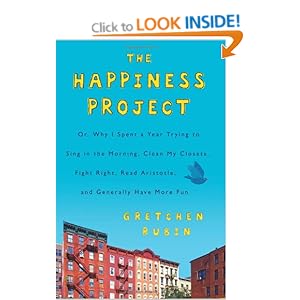
The Happiness Project: Why I Spent a Year Trying to Sing in the Morning, Clean My Closets, Fight Right, Read Aristotle, and Generally Have More Fun


Research suggests that people who keep gratitude journals are 25% happier? And who wouldn’t want to be 25% happier?
But after decades of journal keeping, I no longer keep one. Between my blog, Facebook and Twitter, I record everything I want to remember, and work out my puzzlements, joys, epiphanies and griefs in public.  Even if the triggering event or emotion is a bit submerged and transmuted in my blog’s version of “art!”
So how keep a gratitude journal? I no longer even know where my journal is.
                                                     * * *
So I bought Dr. Amen’s Change your Brain, Change your Body Journal,which has spaces to record your 5 reasons for gratitude; your exercise; diet; vitamins, prevailing positivity or negativity, and other brain healthy habits. I have long been told of the benefits of recording what you eat. Perhaps this journal will make it simpler.
Interestingly, just knowing that I am going to record 5 things at night, keeps me alert to recognize them during the day.  Cultivates an attitude of gratitude. For instance, I recorded today  that glory be!!–both the massive overgrown climbing pink roses and the climbing yellow roses we inherited with the house have burst into luxuriant blossom in our week away–and are almost singing!! That Irene got into the finals of her speech competition. That she has such a good circle of friends. That Roy arrived home safely from a drive to London, when he was exhausted. That I have easily found a good camper van to possibly buy.
I learnt about Dr. Amen, a psychiatrist, from Rick Warren’s Daniel Plan, which Amen co-wrote. I am reading his The Brain Healthy Way to get Thinner, Smarter and Happier, and trying some of his tips.
I am also reading Gretchen Rubin’s The Happiness Project, though, interestingly, I am happy. My happiness varies from day to day, but it surrounds me, like “the happiness fog,” Rubin talks about.
The project I would most like to successfully embark on and complete would be a discipline project, a productivity project, or a weight-loss project. But some of Rubin’s suggestions would work for these too.
Rubin’s book, incidentally, is fascinating. Happiness has been extensively studied for centuries, particularly recently, and, as she says, the laws of happiness are as fixed as the laws of chemistry.
Rubins explains that 50 percent of a person’s happiness is determined by genetics, by their “set-point of happiness.”(Fortunately, I have always had a sanguine, optimistic disposition, and a high happiness set-point.) Life circumstances, such as age, gender ethnicity, marital status, income, health, occupation and religion account for 10-20% of one’s happiness. The remainder is a product of how a person thinks and acts.
Isn’t that amazing? That our life’s circumstances only affect 10-20 % of our happiness, and 30 % depends on our attitude. (And I can tell you, from my own experience of having had a very bad attitude that this is true!!).
 * * *
And so Rubin starts her happiness project with the determination to sleep more and to exercise, having discovered that these directly affect happiness.  She decides that outer order would bring inner peace, and starts a massive decluttering project.
Her research suggests that getting an extra hour of sleep each night might do more for the average person’s happiness than earning an extra $60,000. I don’t doubt it. What good would $60,000 do you if you were exhausted? How could it make you happier? However, the average adult, she states, is chronically sleep-deprived, which “impairs memory, weakens the immune system, slows metabolism, and might foster weight gain.”
So, her method of sleeping more is the radical one of switching off the light at 9.30 p.m., even if she was wide awake.
I have started doing this since I started the Daniel Plan–switching off my light at 10.40 p.m., which is an effort for me, since I am more creative at night.  And so, I have been using the extra time for prayer, and have been waking significantly earlier.
Rubin’s other happiness projects were using a pedometer to walk 10,000 steps, and working out with weights. Sadly, I have never got to 10,000, and have neglected weights, since I started prayer walking. Must weave this back into my life.
* * *
The last of her happiness resolutions for the first month of her project was decluttering.
Mess has been a bug bear in our lives in the past, and we have set aside a few hours a week to declutter for the last 4 years. But there is still clutter to go, alas—and it is motivational and happy-making to get rid of it. Rubin cites studies which suggest that getting rid of clutter reduces housework time by 40%!!  That’s an incentive, isn’t it?
Last month, my leveraged small step to revise my life was decluttering for 15 minutes a day.
Well, on the 15th of July, Roy’s brother Jeph, his sister-in-law Kaaren, and 4 children, twin girls of Irene’s age, and a younger boy and a preschool girl are visiting. 6 additional people. Cooking meals for ten!!
Well, I can’t get my mind around that yet. But I do know that I will have to declutter a lot to have the house brighter, airy, more hospitable (and child-proofed!!).
So my plan is to gradually increase my decluttering time by 5 minutes a day, until I am doing 90 minutes a day of tossing, giving away or putting away. Until the 15th of July. By when several rooms should be totally decluttered. And I will then add a new good habit to increase productivity, discipline or good health. And get my life into a continuing virtuous circle.
So help me, God!!

Filed Under: random

Dazzled by Lewis. Finding Peace beyond “The Anxiety of Influence.”

By Anita Mathias

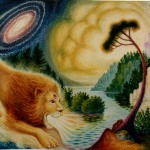
Aslan Singing the World into Existence
We listened to C.S. Lewis’s The Magician’s Nephew on our holiday in Ireland.
It’s brilliant. I love the way Lewis puts literary and mythic flesh on Biblical verses and ideas—Aslan singing Narnia into being; Aslan touching his nose to dumb beasts to give them the power of speech; Fledge telling Diggory, “Aslan knows what you want, but he likes to be asked;” Diggory told by Aslan that he could have stolen the apple for his mother, instead of waiting to be given it, but that it would not have been a blessing for either of them.
The Chronicles of Narnia are probably the best work of literature (among those still widely read, as Paradise Lost  or The Divine Comedy are not) that directly clothes Biblical truths with the garments of the imagination and poetry. That transmutes the Bible to literature.
                                                   * * *
I grew up in India, and did not grow up reading The Chronicles of Narnia.I think I first read them when I read them to Zoe, 11 years ago.
I was spellbound, and fascinated by Lewis’s pastiche of Greek and Nordic myth. And felt sad and wistful. I loved those myths too, and would have loved to write something so good, but felt that I had not been as soaked in myth, and literature and poetry as Lewis and Tolkien had, so could not.
And now, ten years later, I think: So what if I cannot write something as good as The Chronicles of Narnia?
Lewis and Tolkien loved mythology and ancient cultures and ancient languages and epics and literature and poetry. What they read shaped who they became. And what they wrote.

And for us who do not have their advantages of education, literary friendships, intellect, time, and discipline?
We will write different things that will be shaped by different influences. Lewis and Tolkien have sung their song. We will sing ours, to a different generation, and a different, if smaller, audience.
For instance, I read voraciously until I was married, and then have steadily been reading less, though this has picked up again now that both girls are teenagers (yay, on both counts). But have certainly read hugely less than Lewis or Tolkein.
But I have had other influences. Suffering. Depression. Disappointment. Failure. (And all these are splendid teachers!!) Having children. An initially difficult, now nourishing and happy marriage. Gardening. Intensive Travel. Wide friendships made, lost, some regained.
Intense involvement in church life. The lessons in running a smooth household. Immersion in art. Many non-literary intellectual interests.  Living for over a decade each in three continents. Growing up as a member of a religious minority (Christian in India) in a non-Christian country, and then living as a member of an ethnic minority in America and England.
And these experiences and influences have been hand-picked for me for God to speak to and nourish the audience he has hand-picked for me.
                                                      * * *
Each of us writers and bloggers have our own audience predestined for us by God. We do not get to control its size, in our lifetime, or beyond. Milton, interestingly, fretted about how little he had written, and then surrendered that worry to God, writing
Yet be it less or more, or soon or slow, 
It shall be still in strictest measure even 
To that same lot, however mean or high, 
Toward which Time leads me, and the will of Heaven; 
All is, if I have grace to use it so, 
As ever in my great Taskmaster’s eye. 
* * *
We each of us have our own notes to add to the great literary symphony. We cannot control whether our output and readership will be “less or more, or soon or slow.”
But we can control, to a large extent, our use of time, our discipline, our spiritual lives!! For, as Milton said, “All is, if we have grace to use it so.”
Lord, give us the grace to use our talents well to be a blessing in the lives of as large an audience as you please to give us.


Filed Under: In which I celebrate books and film and art

Brief Photo-Blog of Adventures in County Donegal, Ireland

By Anita Mathias

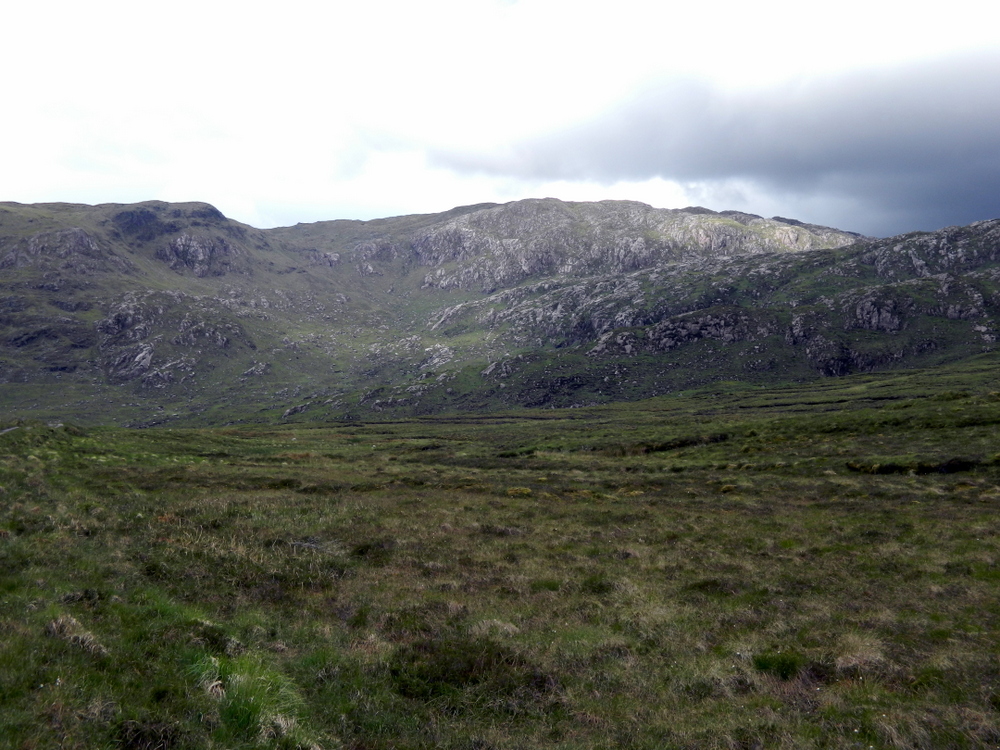
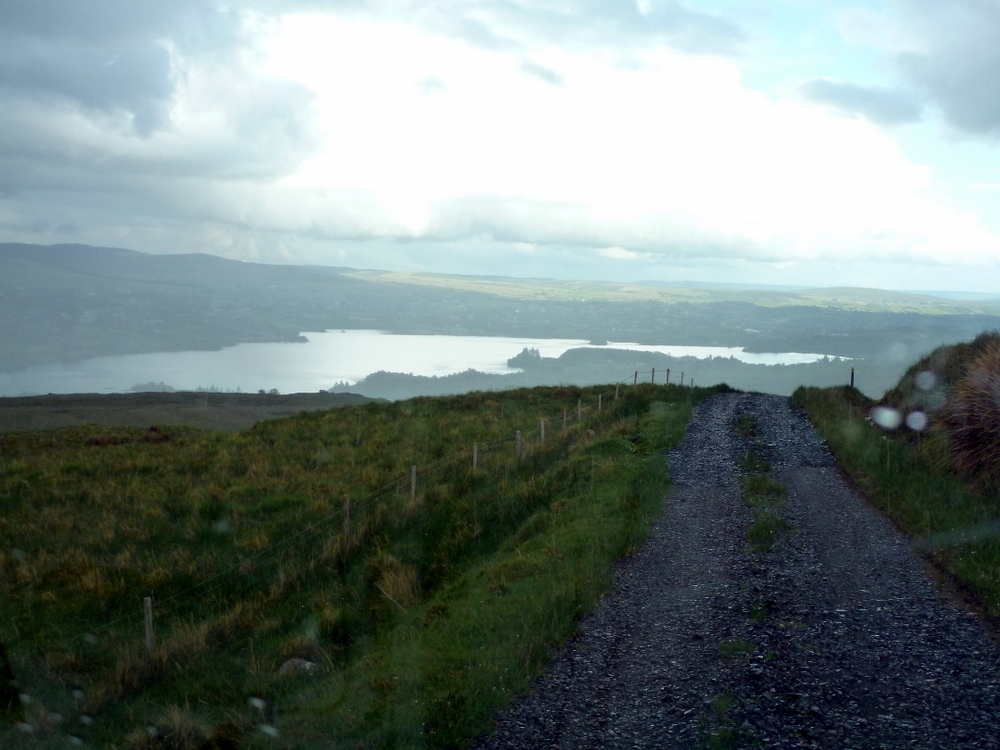
A view of the Blue Stack Mountains in Co. Donegal.  Zoe and Irene took an hour to get to the top.

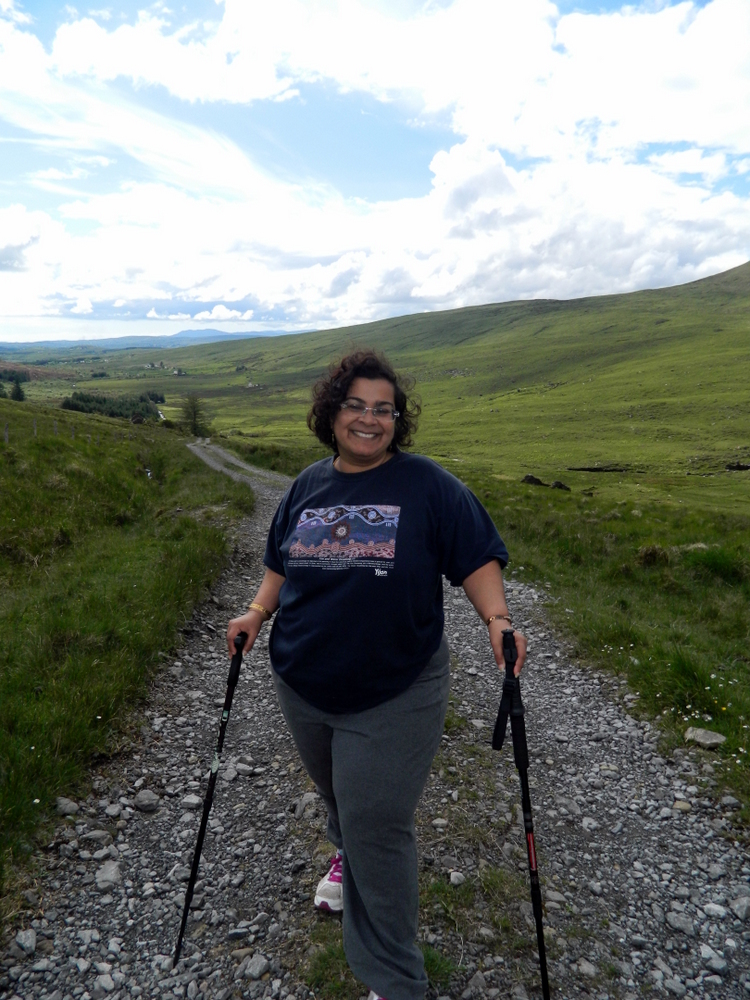
Mountain hikes are the most perfect form of relaxation. The Blue Stack Mountains were unbelievably deserted. Except for my excitable family’s voices, there was natural silence: the murmur of streams, the occasional bleat of sheep, the wind, the chirrup of insects (the species Darwin claimed God loves the best since they vastly outnumber any other life form), and the occasional sound of birds. As you can see, it is a treeless mountain, so the only birds were lapwings, grouse and other ground-dwellers–bird song was infrequent, but high and sweet.

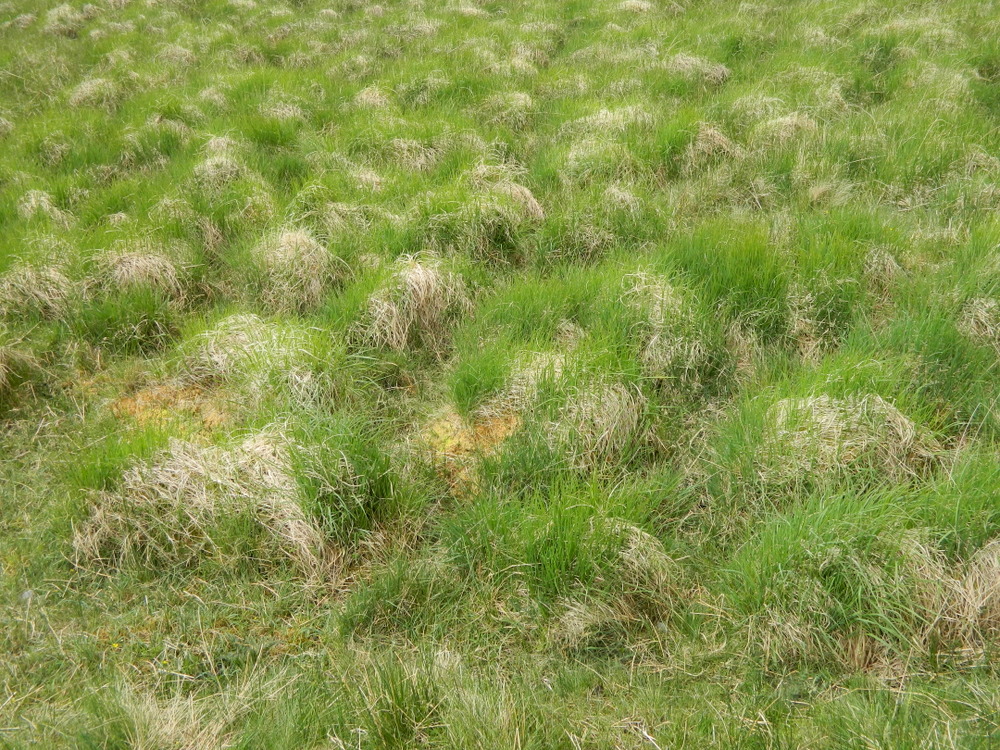
The grass is full of these compressible foot high mounds

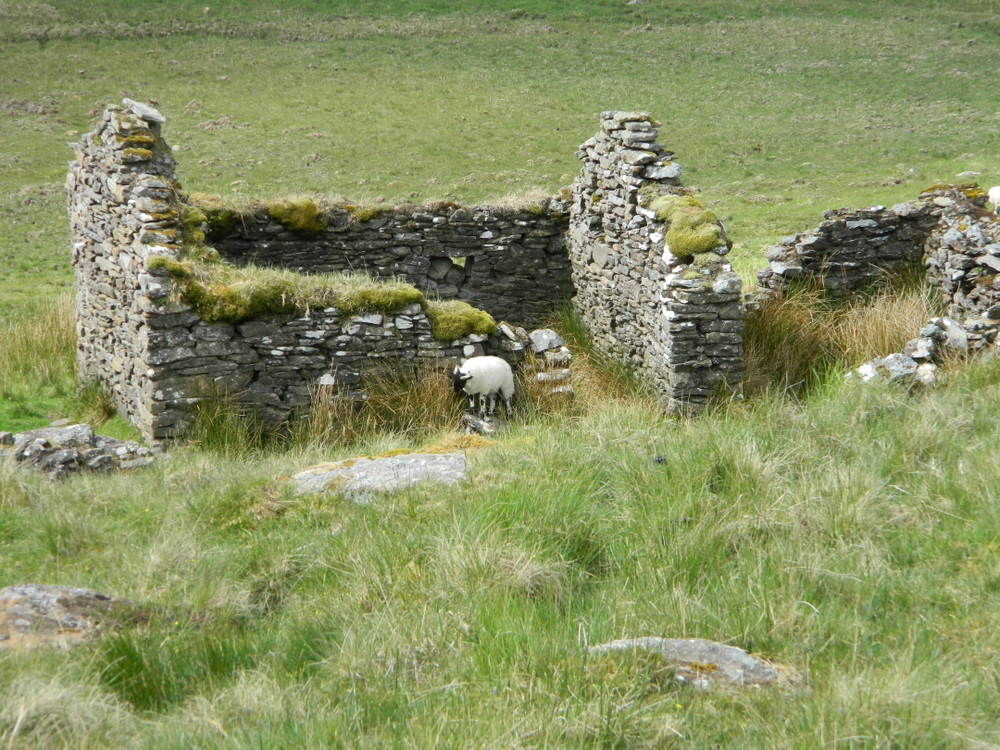
There are numerous decrepit stone houses, often with sheep sheltering inside them.

Lovely Lough Eske in the rain from the Blue Stack Mountains.

 There is  very very little left of Assaroe Abbey, a Cistercian Abbey founded in 1184.    It was already in decay in Cromwellian times when its stone was used for building in the area.

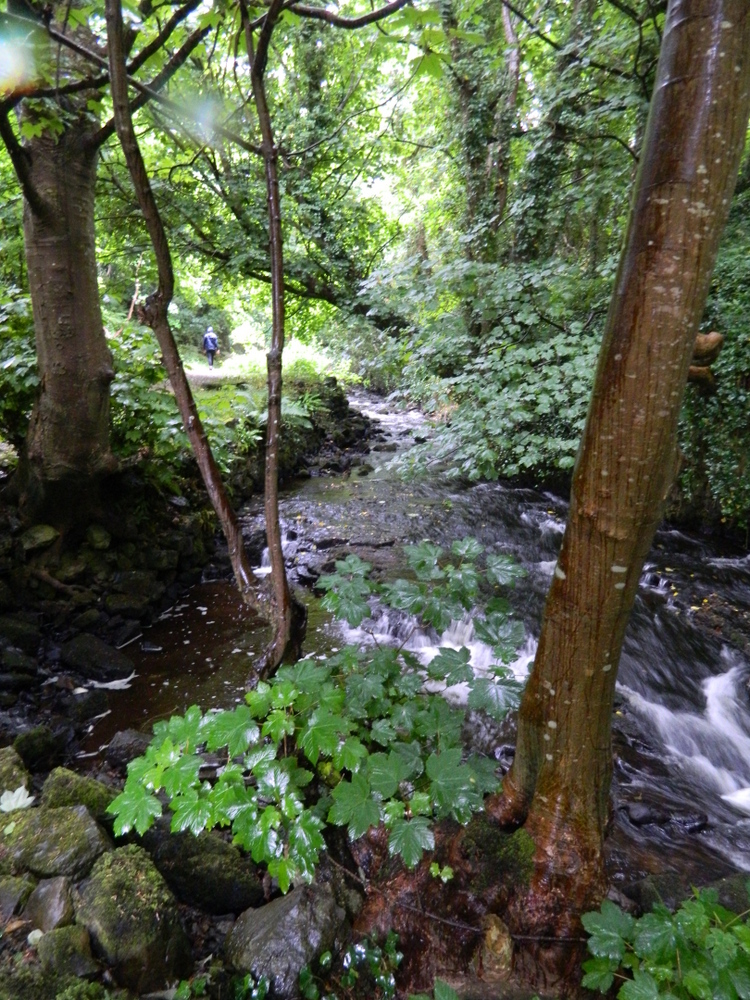
Brook that turned the Abbey’s water mill

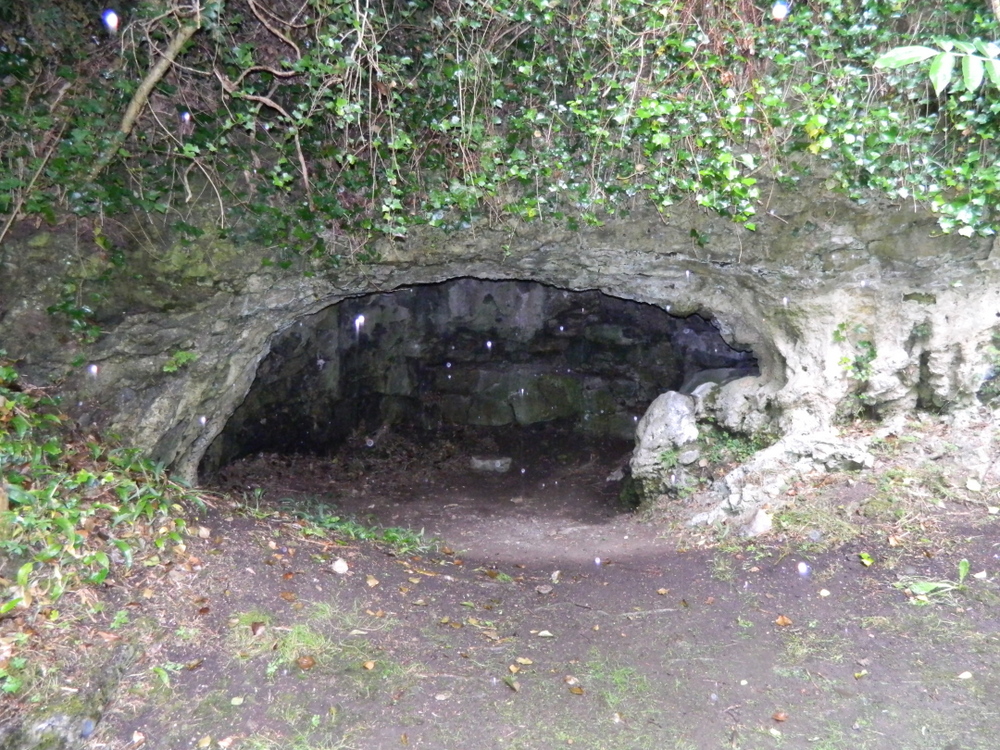
“Catsby Cave”, also known as “St. Patrick’s Oratory”

The Catsby Cave is unquestionably very ancient. During Penal times, Masses were celebrated here, and consecrated bread and wine were distributed.

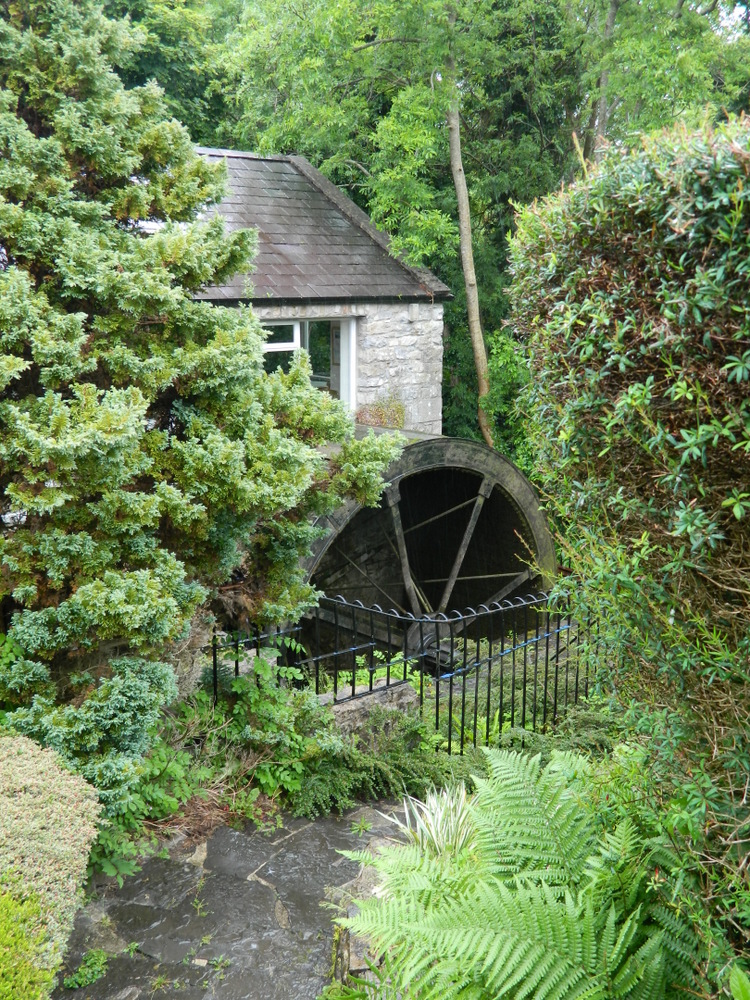
Abbey Watermill

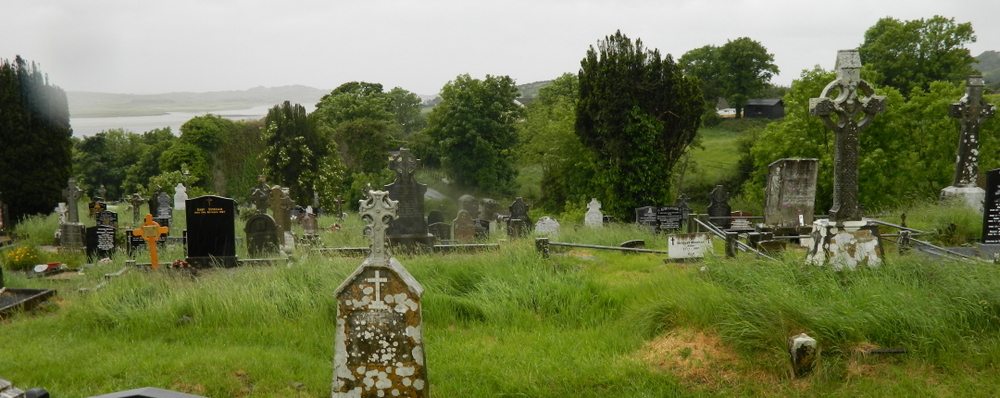
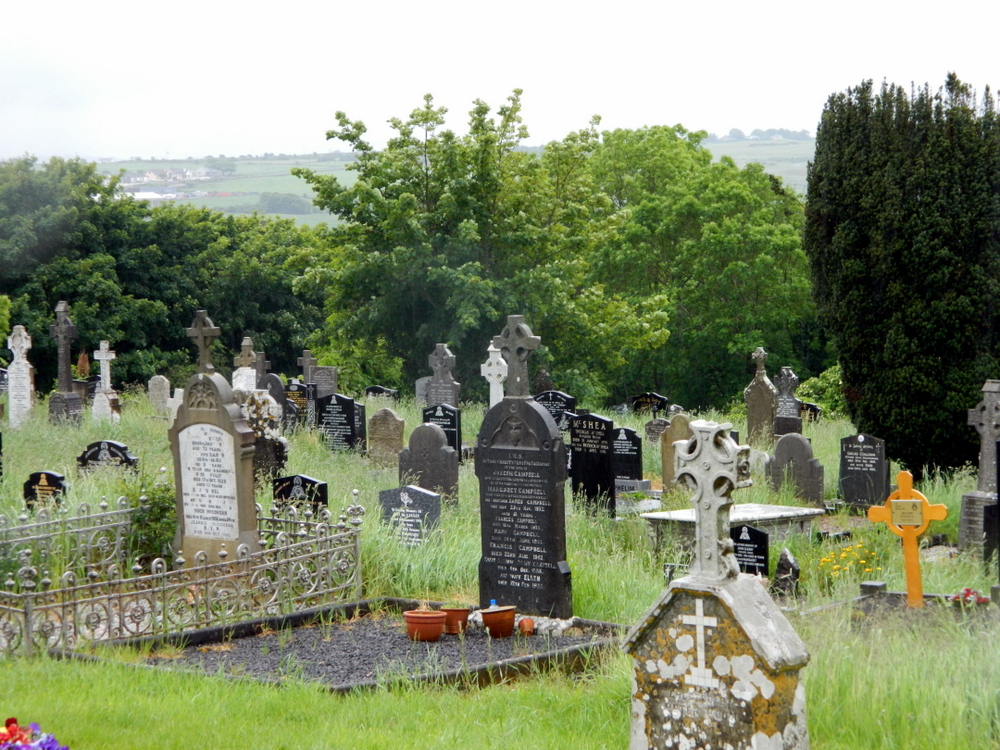
The Abbey was most sacred place of interment in the surrounding area, and many dead were brought down the river Shannon and buried on the hill above the Abbey.  This ancient cemetery is no longer visible, here are some photos from a more modern extension.

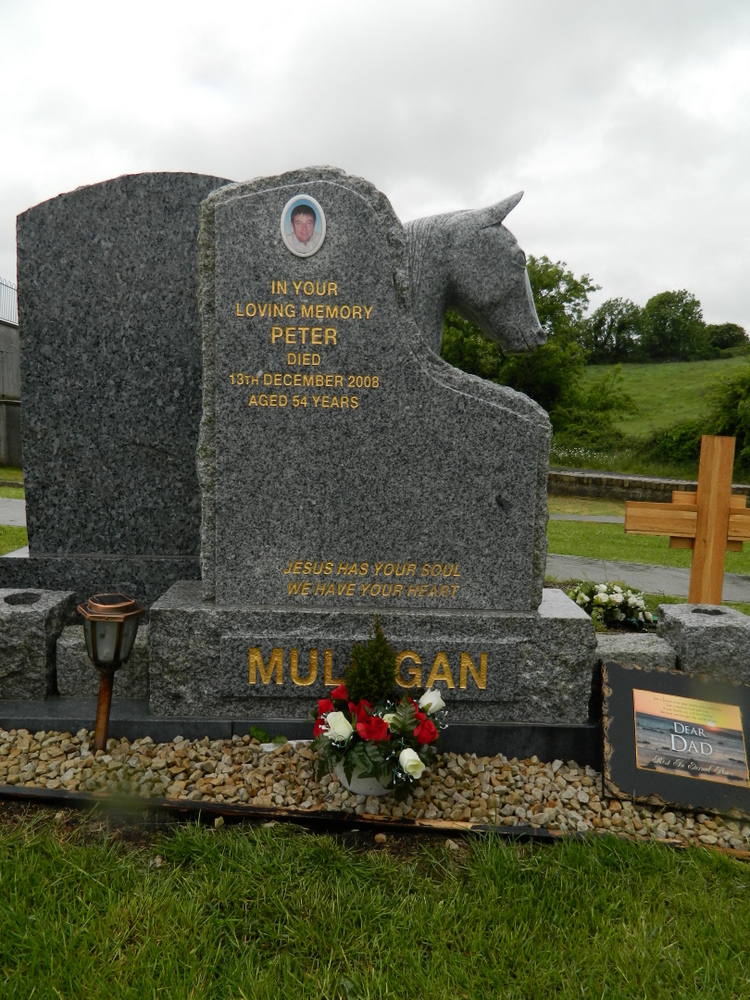
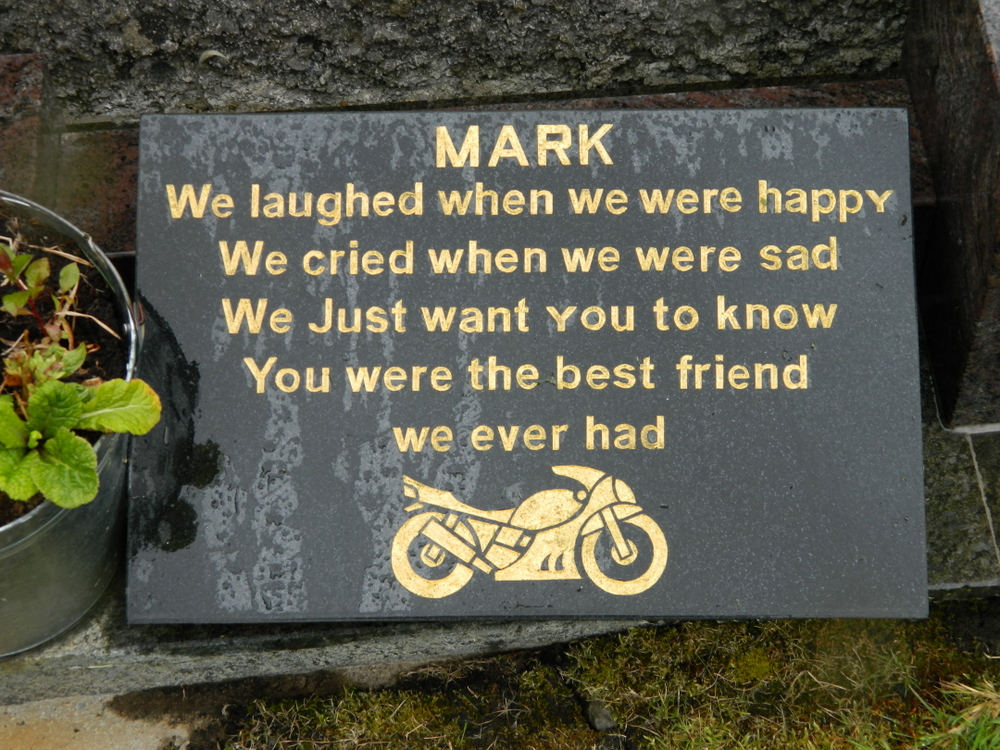
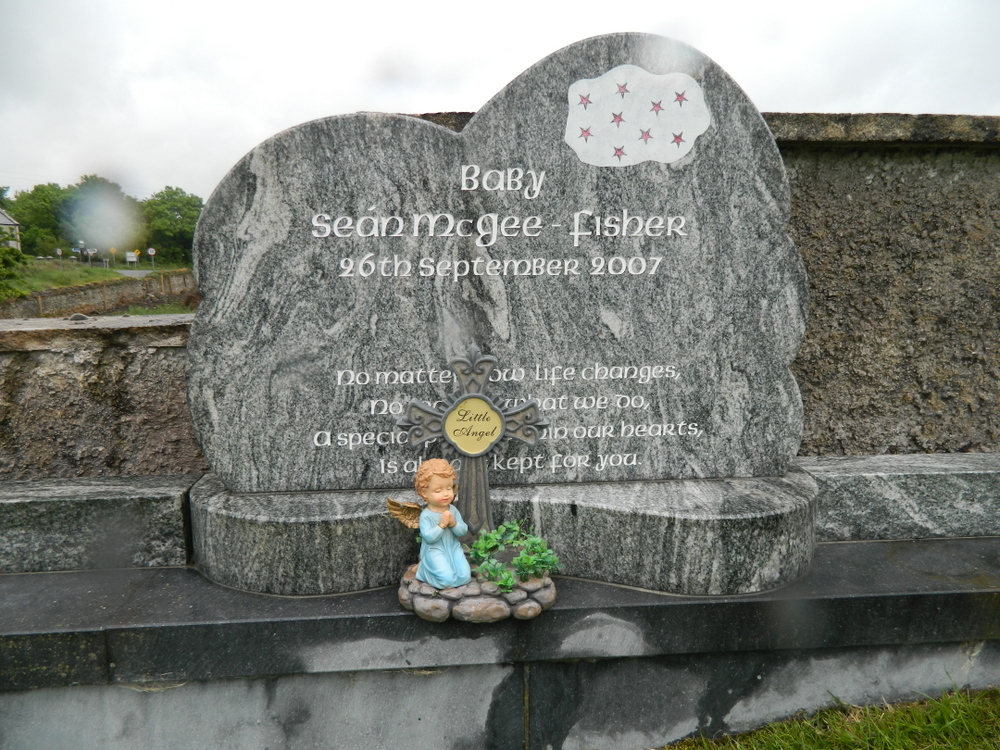
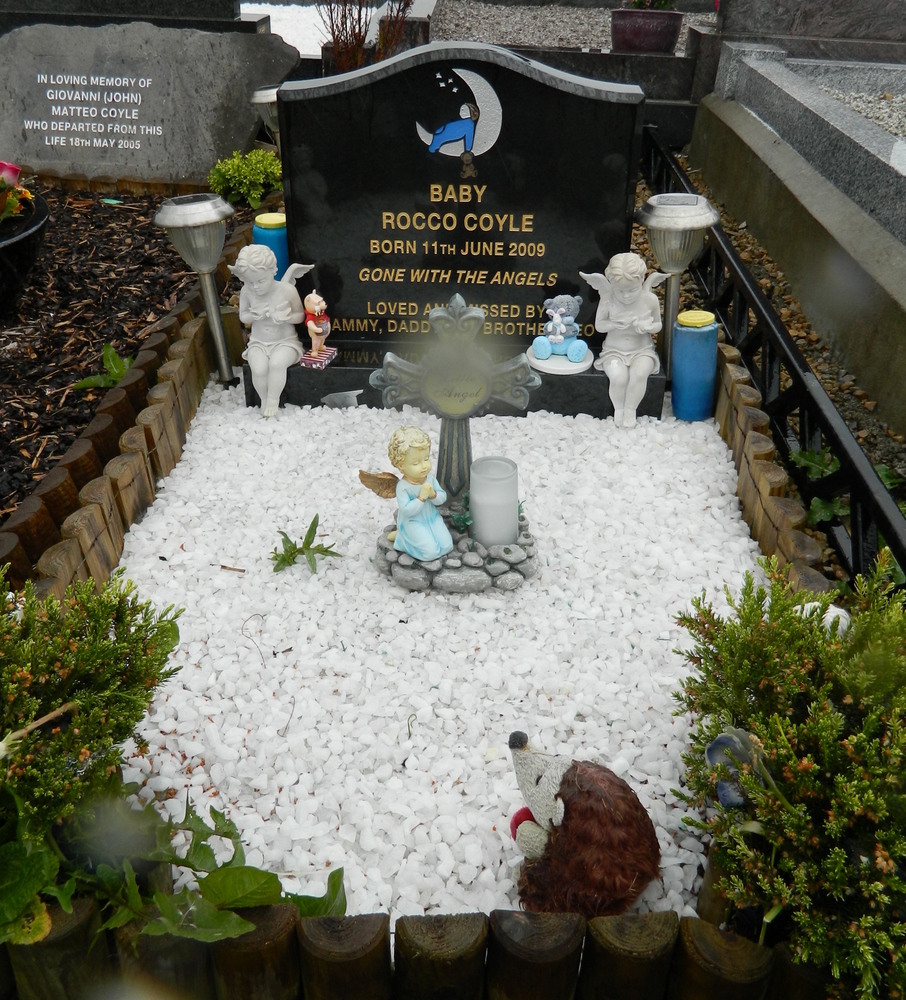
Some modern and very personal graves at the top of the hill.  Dates of birth are not generally recorded on the headstones. The Irish memorialize what their dear departed best loved in their graves

(the smudge is a raindrop) 

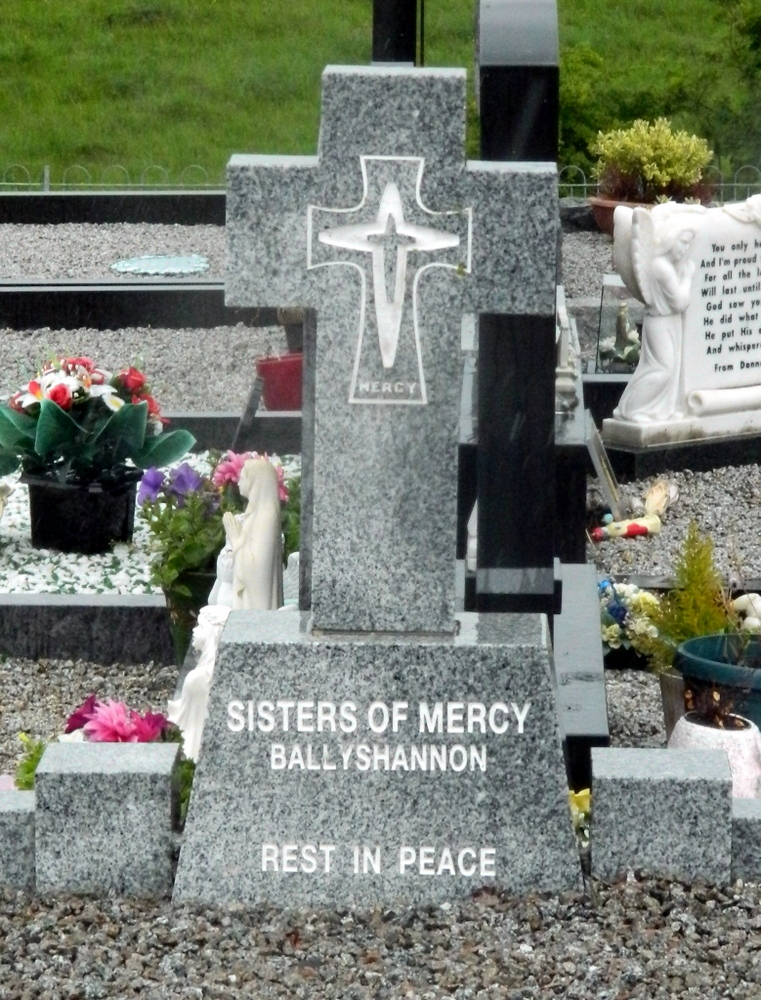
There is a large area reserved for the nearby Sisters of Mercy, Ballyshannon

 The individual memorials testify that these nuns all lived very long lives — mostly 60 or 70 years in religious life.

There is whole hillside of more traditional Celtic crosses

It’s beautiful, isn’t it?

Tweet

Filed Under: random

The Road of Excess Leads to the Palace of Wisdom

By Anita Mathias

“The Road of Excess Leads to the Palace of Wisdom,” is one of William Blake’s interesting paradoxes.
My husband (who, sadly, is not the most polite of creatures) sometimes says that I remind him of Mr. Toad in The Wind in the Willows.
Mr. Toad was overpowered by his latest enthusiasms. A boat—a caravan—a car! As he realized their charms, their indubitable advantages, he grew convinced that they were the best, the only possible way of doing things.  
Ah, embarrassingly familiar!! I loved reading “the classics” as a teen, as much for the cracking good stories, as for, well, having read the classics, the satisfaction of scoring them off my reading list. My goal was to have read all “the classics” by the time I was thirty, and I was progressing steadily towards it until I was 27, and married Roy, and then, well, life happened!
I only read poetry for a few years. In graduate school, and for the first year and a half of our marriage, pretty much all I did was read and write poetry, until, well, I wrote out all my poem ideas, and poetry began to seem too constricted for everything I wanted to explore in words.
If an author speaks to me, enchants me, I buy several of their books, sometimes all of them. If I am interested in a subject—an artist, medieval mystics, or natural healing, or herbs, or using natural supplements to balance brain chemistry, I tend to buy 3-4 books on the subject, and devour them. I then rapidly learn a lot about the subject, though it can be expensive, if it turns out to be less enticing than anticipated, or the waves of the next enthusiasm hit before I’ve sort of mastered this one.
I instinctively believe that if some is good, then more is better. When we planted spring bulbs in Williamsburg, we’d plant 700 or 800 each autumn so that the next spring was magical, seeing all our old favourites come up as well as the last year’s plantings.
It was sad to leave our Virginia garden which we had had for nine years, and so, we have never really thrown ourselves into planting up our Oxford garden, though it’s now our seventh year in it. However, we are slowly planting bulbs and perennials, and have a massive vegetable garden.
* * *
My favourite way of travelling is in a camper van. We first rented one in Switzerland ten years ago, and were amazed at how much we could see of the country in a motor home, which meant we could drop into several lovely sights in a day, start the morning in one little town, and continue until late in a summer evening, resting in the motor home on the way to sights, or over a brief cuppa or a picnic lunch.
For a while, I was convinced that it was the only way to travel, until we enjoyed the pleasures of renting quirky homes in Granada, Istanbul and Rome. My family say they prefer that, though I prefer seeing a huge amount of the country in a motor home, sleeping each night in a different place, especially the free wild camping in parts of Norway, Ireland or Sweden.
We stayed in retreat houses last year, at Lee Abbey and Ffald-y-Brenin and I did love the restfulness of staying in one place, doing nothing, just resting and soaking in God’s presence. On our return, Roy noticed me surfing the internet, absorbed. “I bet you are researching retreat houses,” he said. And indeed, I was.
If Aristotle was right in defining wisdom as the mean between extremes, exploring an extreme means that you learn what’s good about it, as well as its limitations. Then, once you’ve learned its limitations, you might, on the rebound, swerve to the other extreme. For instance, in a scenario familiar to dieters, if you’ve cut out all fat, or meat, or carbs from your diet, for a while you can’t have enough of them. And then, perhaps you return to a balanced diet.
To the path of wisdom, which is the mean between two extremes.
 In fact, my days of riding the wild horse of each enthusiasm to exhaustion are over. Yeah, I am middle-aged now, and am choosing the middle path. Striving for a life with a healthy balance of spiritual, intellectual, physical and social activities and interests. I try to make time to pray, read scripture, exercise, read, write, garden, and spend time with family or friends every day.
And oh, I believe, I hope, that all this sensible balance may mean that, paradoxically, in the long run, there may well be more energy to pursue any one interest.
   

Tweet

Filed Under: In Which my Blog Morphs into Memoir and Gets Personal

A photo-essay blog of our trip to Northern Ireland and the Republic of Ireland

By Anita Mathias

On the road in Ireland
Well, we’re in Ireland for the week, celebrating the end of Zoe’s A-S exams (public exams taken by 17 year olds, for my non-British readers). And we choose Ireland, because it’s slow, magical, green, and fascinating.
We have taken a ferry from Wales to the Republic of Ireland in the past, but this time decided to take a ferry from Stranraer in Scotland to Larne in Northern Ireland, to show the kids a bit of the six counties of Northern Ireland.

A few pictures along the way:

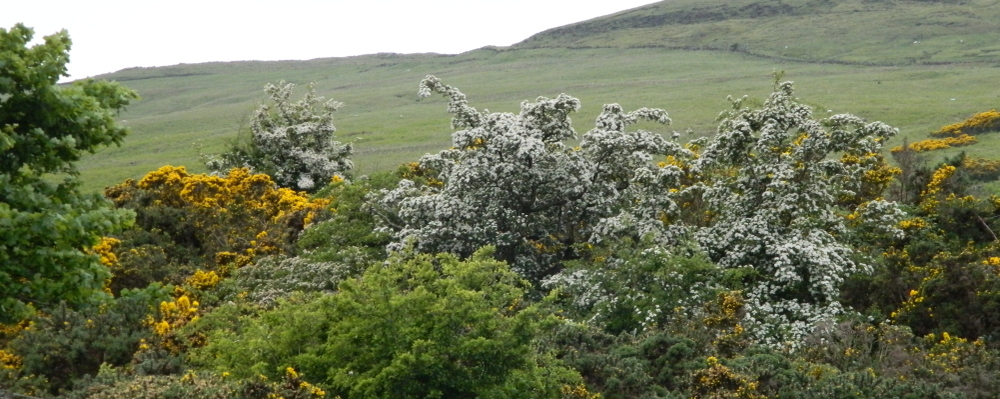
Gorse and hawthorn  by the road to the Giant’s Causeway

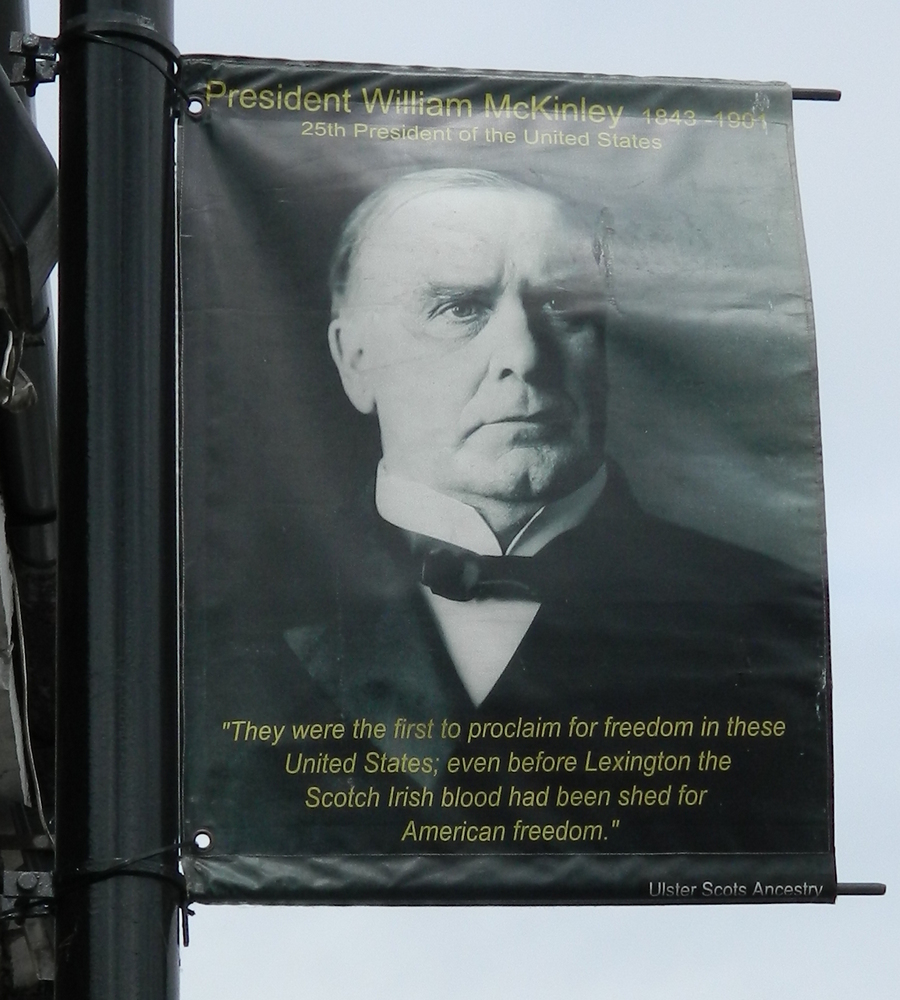
Scotch-Irish pride

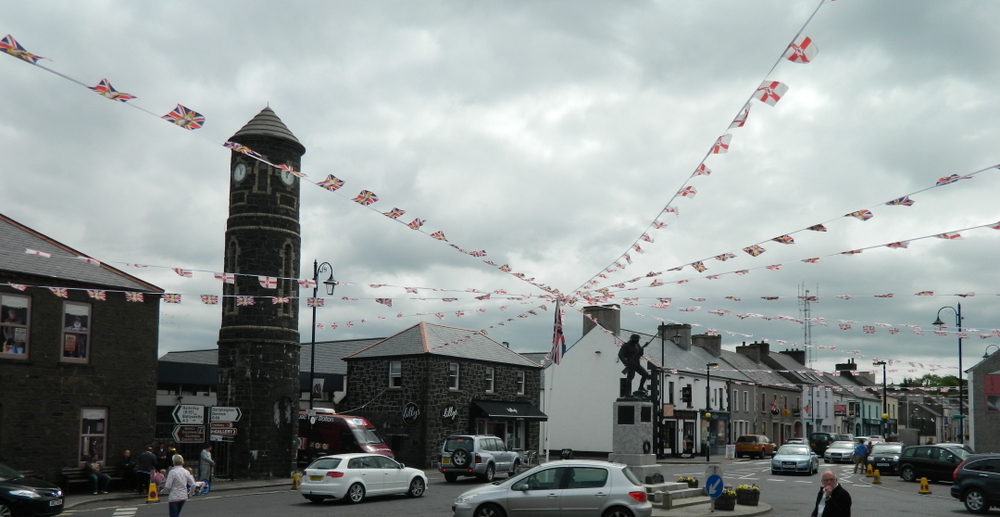
Celebrating the queen

Celebrating the queen in the center of Ballymoney

This “shop window” is actually painted
Another of the many painted windows
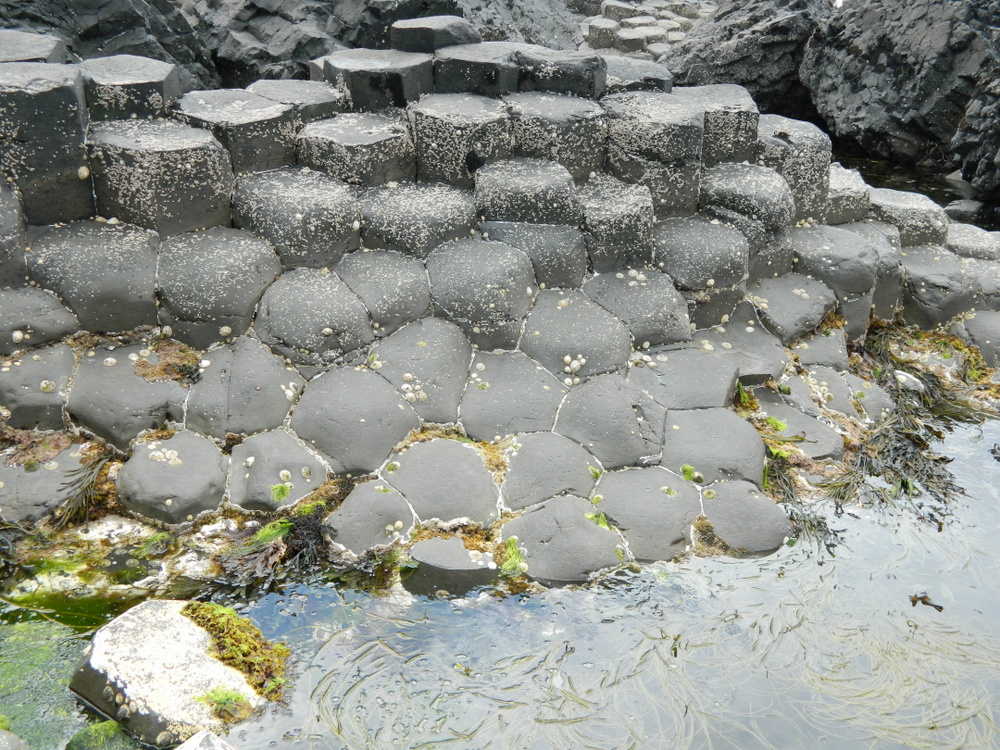
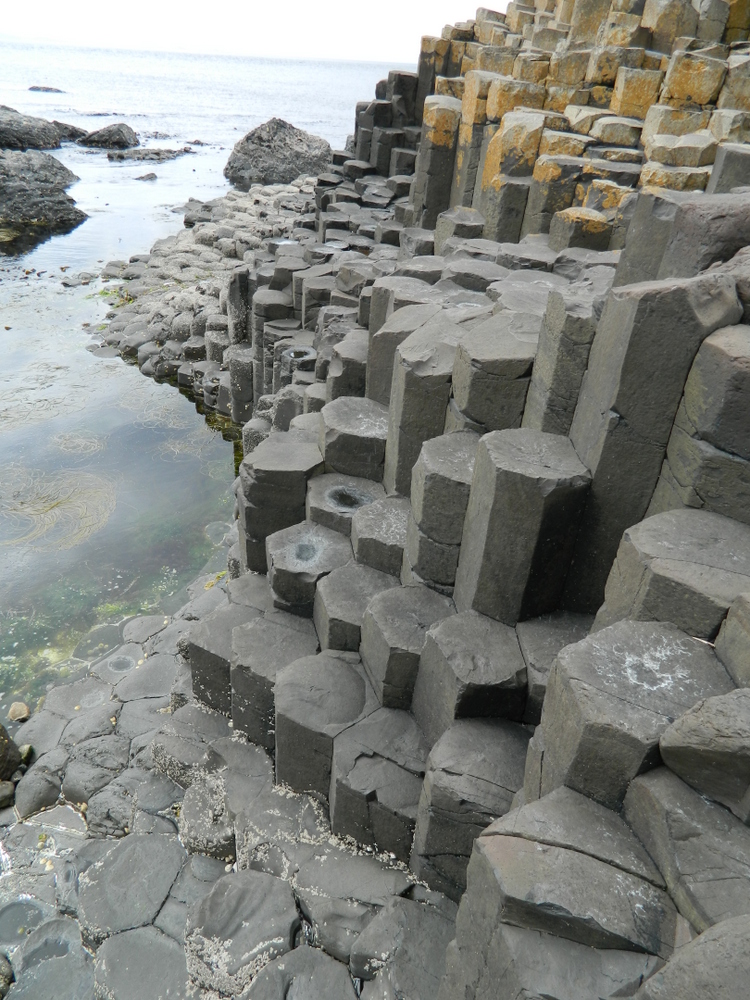
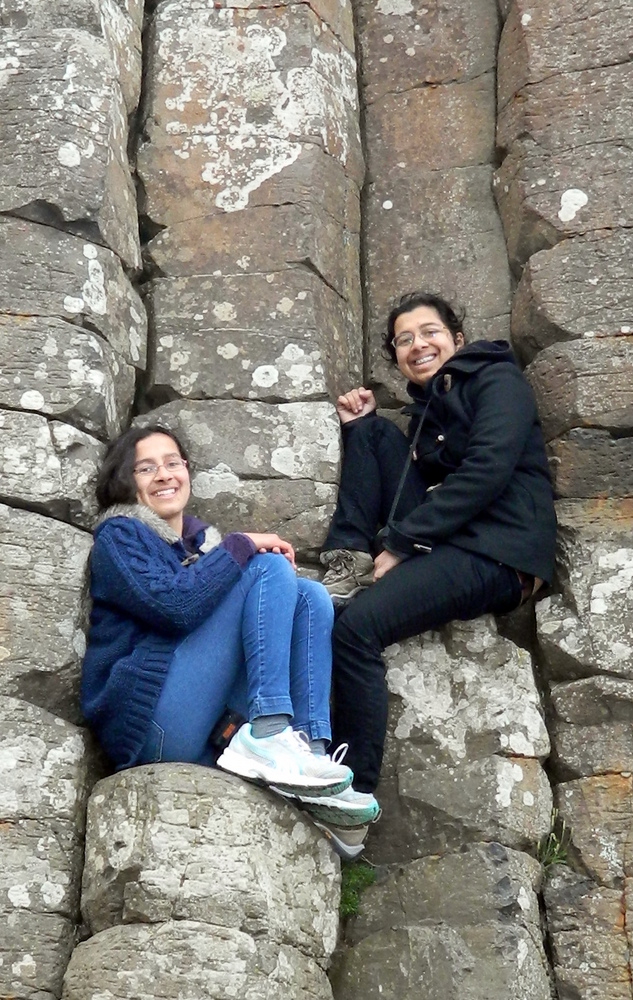
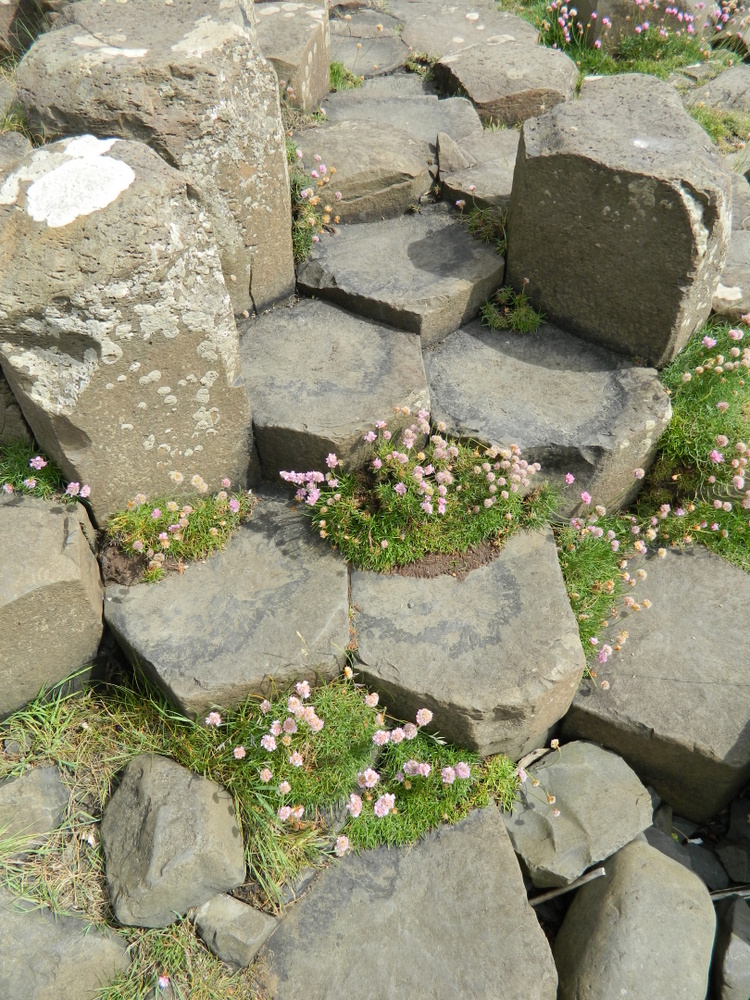
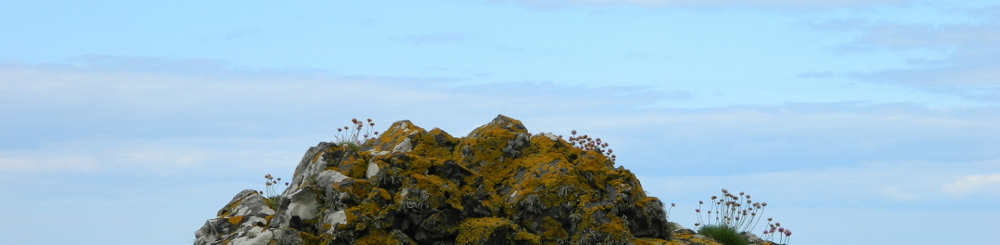
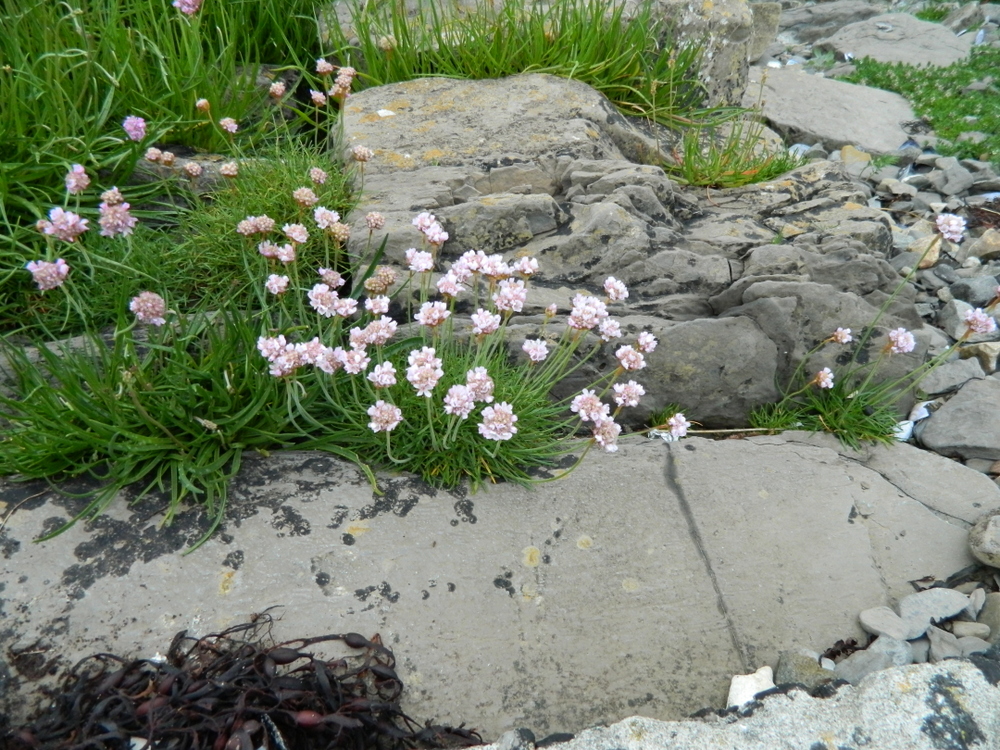
The Giant’s Causeway is Northern Ireland’s foremost tourist attraction and it is a natural wonder, with its massive hexagonal columns. I enjoyed the colourful beach with its pinks, owl’s clover and bright yellow gorse.

Some pictures of the basalt columns–not all are hexagons, as you can see.

Columns with barnacles

These columns are on the back of the columns in the previous pictures

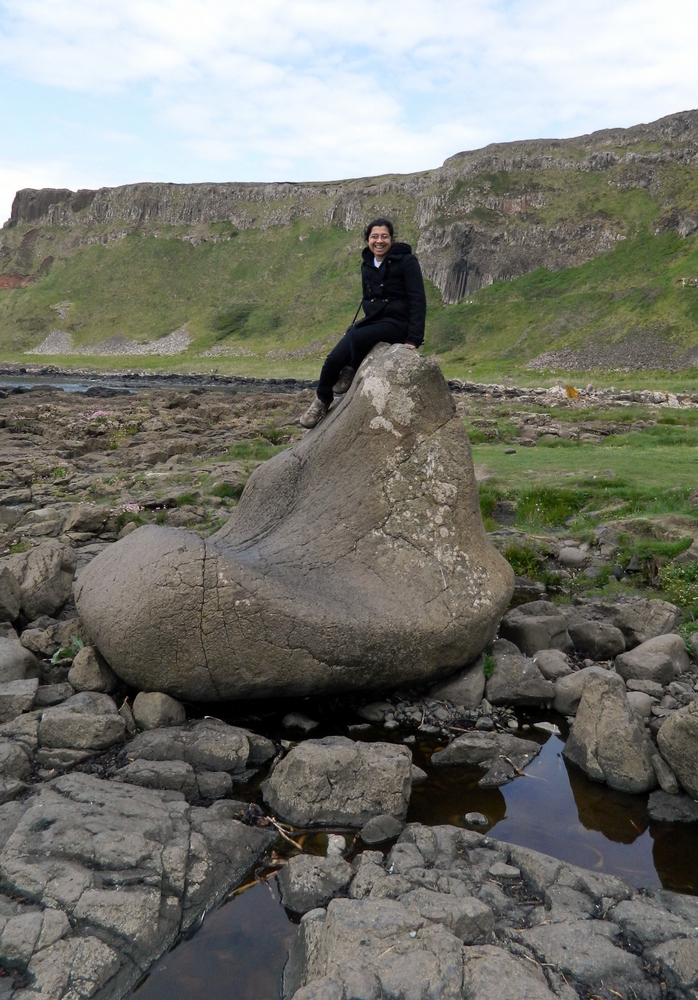
Zoe on top of Finn Maccool’s Shoe

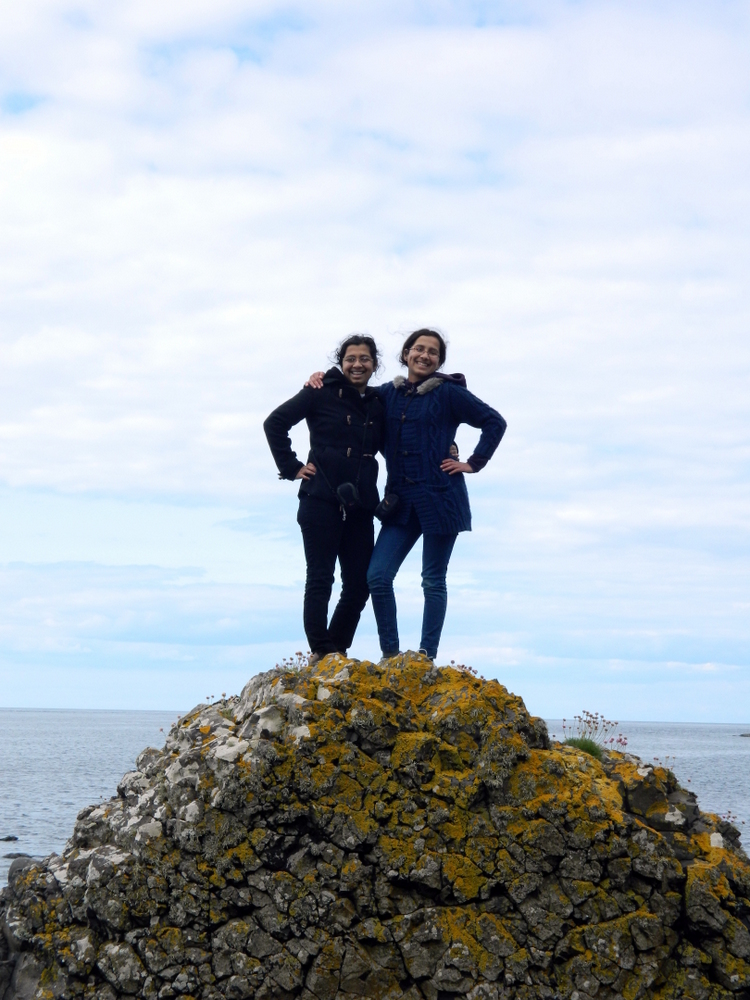
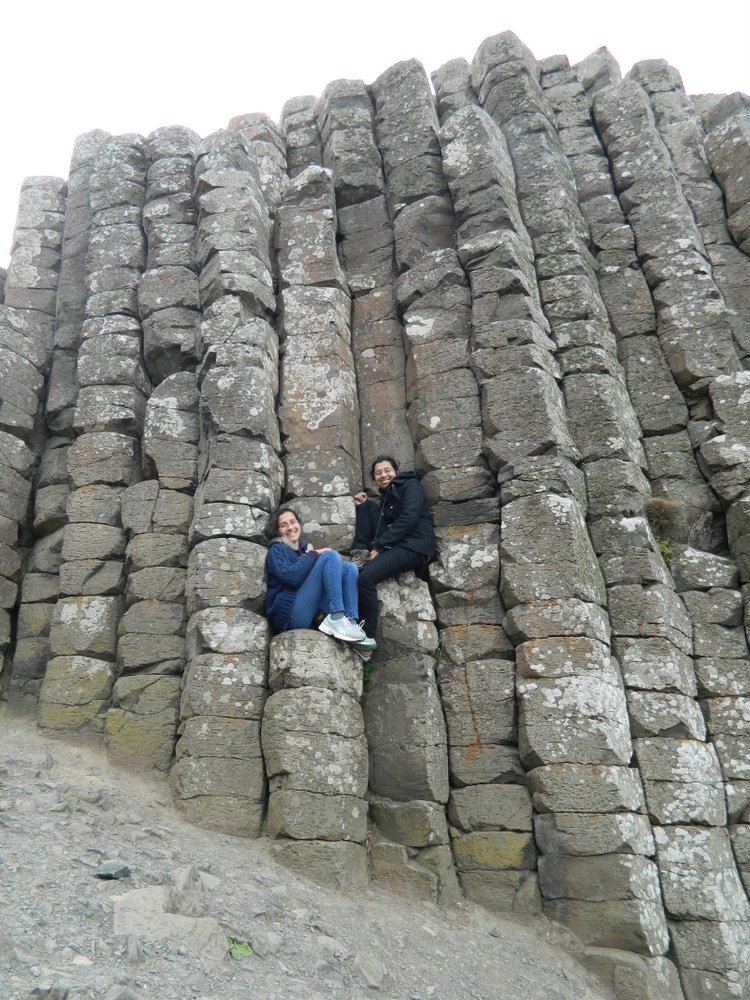
Zoe and Irene posing

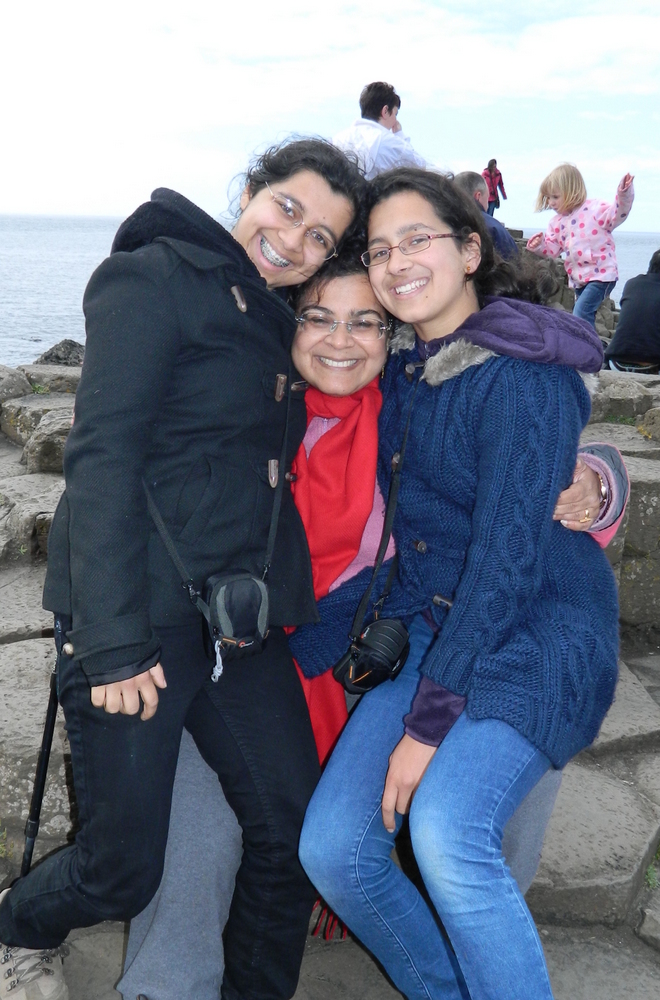
Zoe, Irene and I


The Northern Irish are far blunter than the English. We took a National Trust bus out, and Diane, the cheery guide tells the passengers, “Now I know most of you won’t speak English, but hopefully, you’ll understand a little.” In England, they’d pretend that, of course, everyone understood English.
I love the Irish accent. “It’s like leprechauns,” Irene says, though how she knows what leprechauns sound like, beats me.
* * *
Lakes, for me, are sheer magic, second only to the ocean. So we spent a day on Lough Erne in County Fermanagh. Rented a Canadian canoe, and rowed out among the baby ducklings, the mallards, the coots, and magical swans. Perfect relaxation!! (The photos don’t capture it.)

A rather eccentric boat.

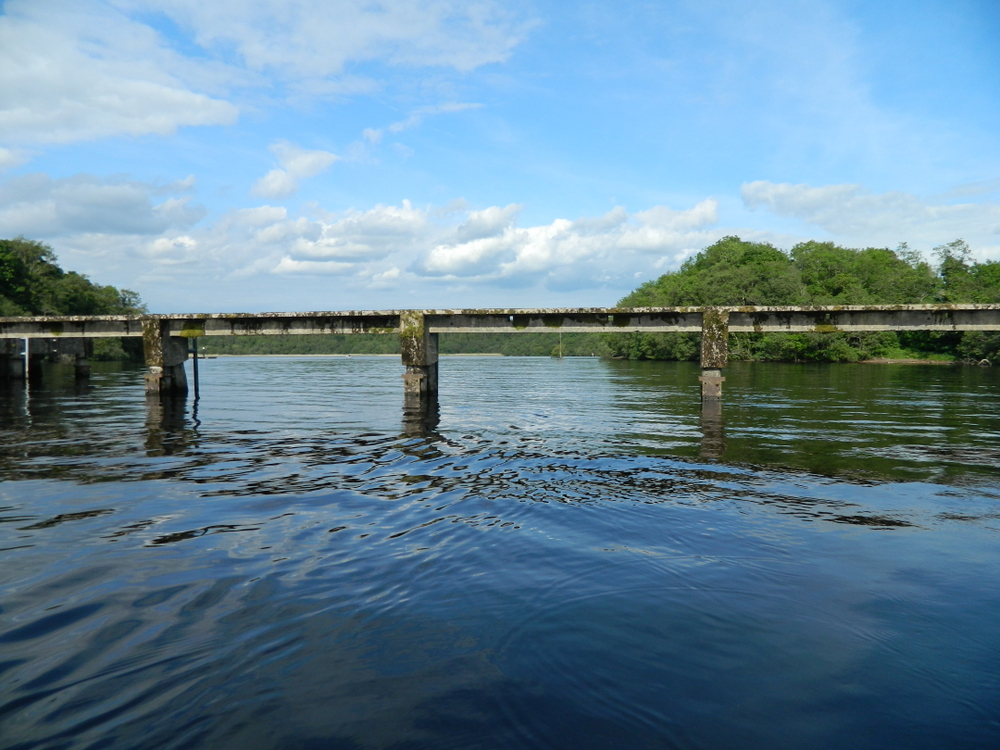
A disused concrete pier

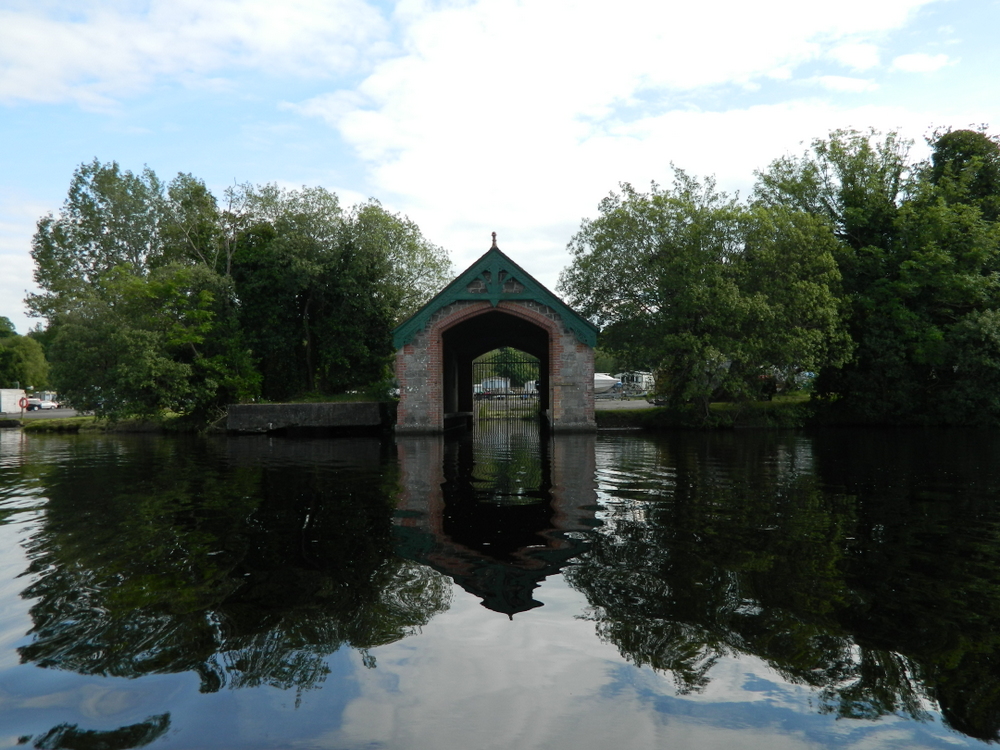
A boat hosue

Crossing from Great Britain to the Republic of Ireland is the most unspectacular border crossing ever. You are driving down a modest, narrow road, and suddenly read, “Welcome to Donegal,” and the signs are in Irish, and you say, “Kids, we are in a foreign country,” and that’s it!!
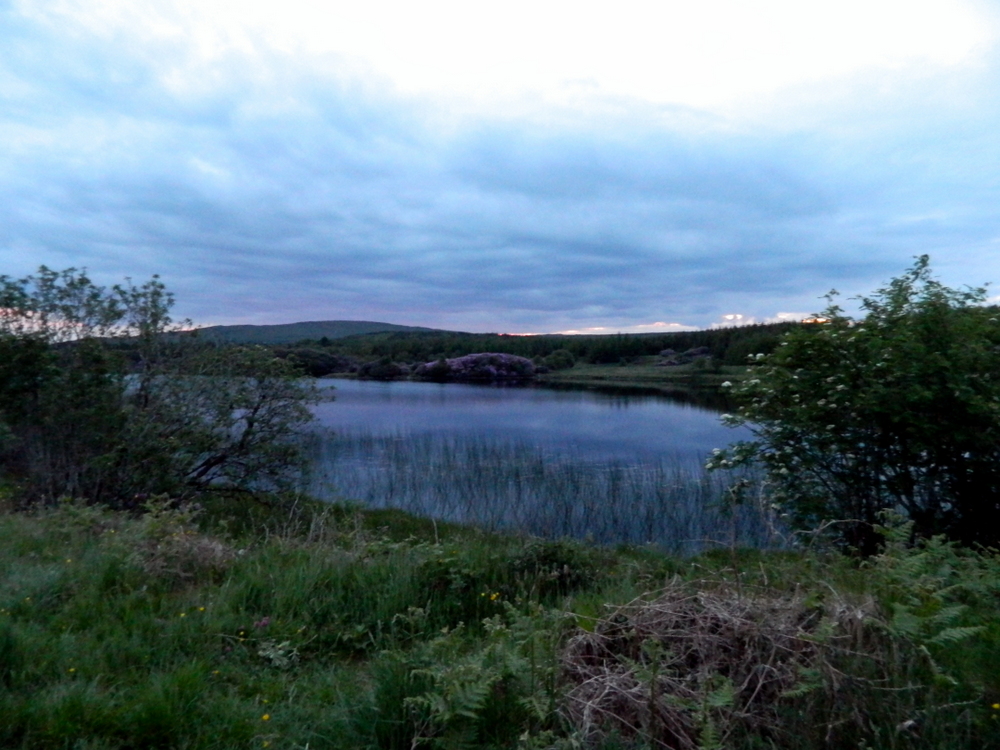
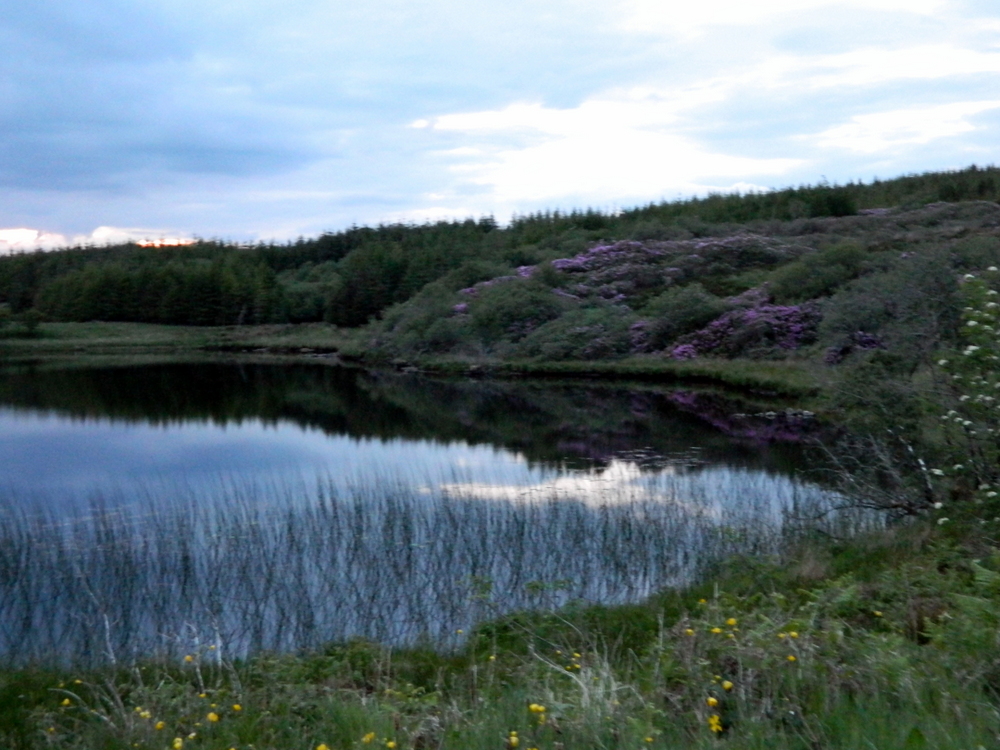
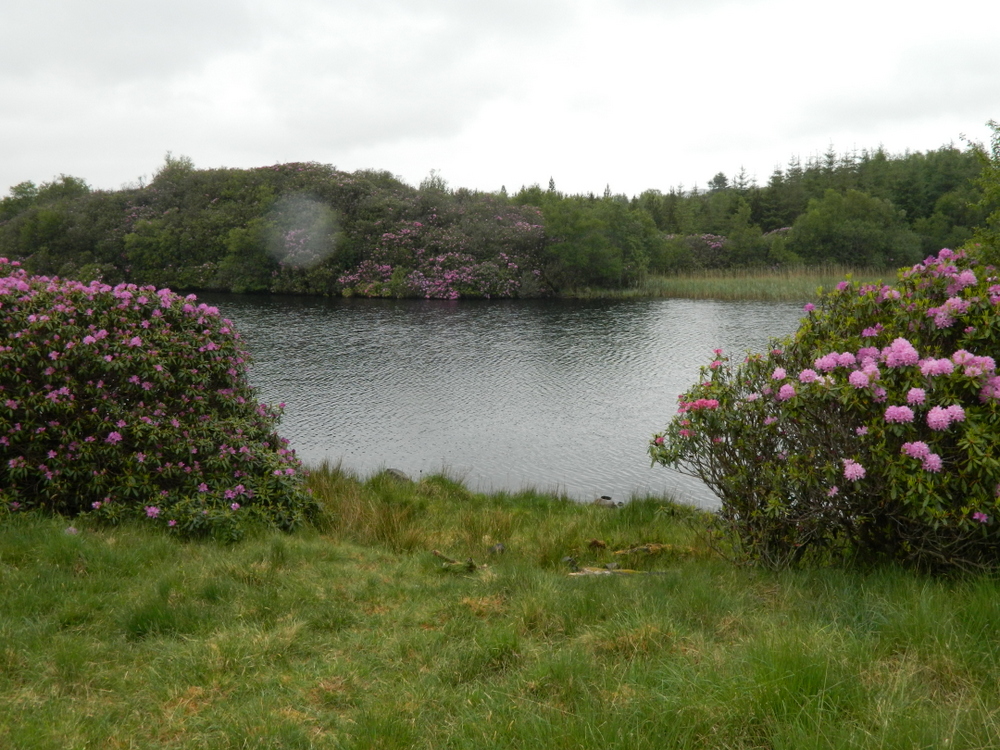
We are in a camper van, and camped by the most magical lake, surrounded by pink rhododendron bushes which were reflected in the lake on our first night in Ireland.

Photo of the lake taken at 10:30 pm

Photo of the lake taken at 10:30 pm

In the morning, the rhododendrons are much clearer


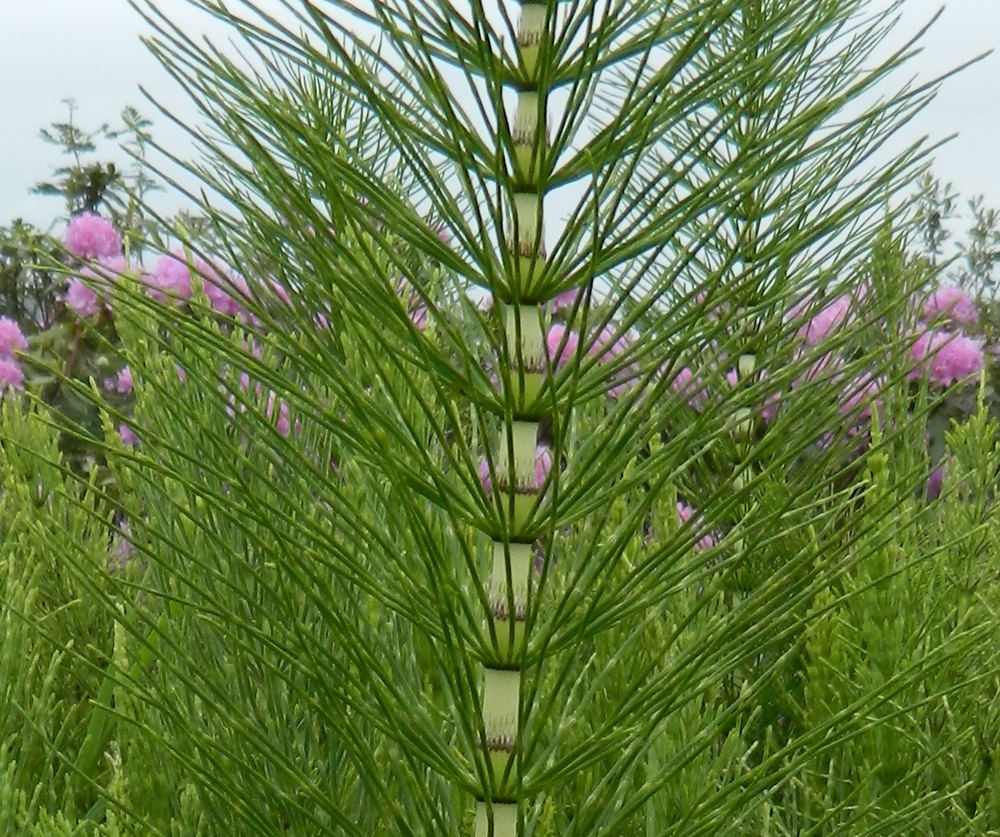
Close up of a horsetail

Then walked on a beach, quite far out. The tide obviously came in behind us; Irene, who had decided to sit on the sea wall and read, suddenly hollered, “the tide’s rushing in,” and we looked around. And so it had. We landed up wading back through hip-deep freezing Atlantic waters. Third time in my life that I’ve been caught out—once in Virginia and once in Oregon. Must get the hang of tides!!

These plants would soon be submerged

                                                      * * *
Camped (well, in the motor home) wild out by Lough Eske last night. Today’s adventures: I want to visit the ruined Abbey Assaroe, founded by the Cistercians in 1184, to soak in the remnants of peace and holiness that still cleave to these holy places. Want to drive into and hike on the Blue Stack mountains, and walk on the sea cliffs at Slieve League.
And deeply breathe in the peace and serenity of County Donegal!!


Tweet

Filed Under: random

  • « Previous Page
  • 1
  • 2
  • 3
  • 4
  • Next Page »

Sign Up and Get a Free eBook!

Sign up to be emailed my blog posts (one a week) and get the ebook of "Holy Ground," my account of working with Mother Teresa.

Join 536 Other Readers

My Books

Rosaries, Reading, Secrets: A Catholic Childhood in India

Rosaries, Reading Secrets, B&N
USA

UK

Wandering Between Two Worlds: Essays on Faith and Art

Wandering Between Two Worlds
USA

UK

Francesco, Artist of Florence: The Man Who Gave Too Much

Francesco, Artist of Florence
US

UK

The Story of Dirk Willems

The Story of Dirk Willems
US

UK

My Latest Meditation

Anita Mathias: About Me

Anita Mathias

Read my blog on Facebook

Follow me on Twitter

Follow @anitamathias1

Recent Posts

  • At the Cross, God Forgives Us Completely
  • Using God’s Gift of Our Talents: A Path to Joy and Abundance
  • The Kingdom of God is Here Already, Yet Not Yet Here
  • All Those Who Exalt Themselves Will Be Humbled & the Humble Will Be Exalted
  • Christ’s Great Golden Triad to Guide Our Actions and Decisions
  • How Jesus Dealt With Hostility and Enemies
  • Do Not Be Afraid, but Do Be Prudent
  • For Scoundrels, Scallywags, and Rascals—Christ Came
  • How to Lead an Extremely Significant Life
  • Don’t Walk Away From Jesus, but if You Do, He Still Looks at You and Loves You
Premier Digital Awards 2015 - Finalist - Blogger of the year
Runner Up Christian Media Awards 2014 - Tweeter of the year

Categories

What I’m Reading


Wolf Hall
Hilary Mantel

Wolf Hall --  Amazon.com
Amazon.com

Amazon.co.uk

Silence and Honey Cakes:
The Wisdom Of The Desert
Rowan Williams

Silence and Honey Cakes --  Amazon.com
Amazon.com

Amazon.co.uk

The Long Loneliness:
The Autobiography of the Legendary Catholic Social Activist
Dorothy Day

The Long Loneliness --  Amazon.com
Amazon.com

Amazon.co.uk

Country Girl
Edna O'Brien

Country Girl  - Amazon.com
Amazon.com

Amazon.co.uk

Archive by month

My Latest Five Podcast Meditations

INSTAGRAM

anita.mathias

My memoir: Rosaries, Reading, Secrets https://amzn.to/42xgL9t
Oxford, England. Writer, memoirist, podcaster, blogger, Biblical meditation teacher, mum

Looking at photos from our week in beautiful Sevil Looking at photos from our week in beautiful Seville and Cordoba over New Year with Irene, who had a week off.
And, ICYMI, here’s my latest meditation on the Gospel of Matthew… I’ve recorded it, should you want a few minutes of peace.
https://anitamathias.com/2026/04/29/gods-complete-forgiveness/
Hello Friends, I'm resumed recording my meditation Hello Friends, I'm resumed recording my meditations on the Gospel of Matthew. Do click on this link to listen. 
https://anitamathias.com/.../29/gods-complete-forgiveness/
Christ is the most influential figure in the history of the world, though his life ended in shame, humiliation and failure. But he so completely turned things round in his great reversal that the cross on which he died when all seemed hopeless is now the most common, and revered, symbol in history.
He emerged from and was anchored in Judaism. And as the sins of the people were laid on the scapegoat who was sent into the wilderness to perish, Christ died as the lamb of God voluntarily bearing the guilt of the wrongdoing of the whole world. He paid the price for our forgiveness with his life-blood--in accordance with the iron law of the physical and moral universe, of sowing and reaping, cause and effect. 
And so, God, who appeared as flames of fire to Moses, can now dwell within us, purifying us, whose hearts have darkness and shards of ice. 
And now that Christ was crucified, died, but rose again, His Spirit, no longer contained within his earthly body, is poured out like living water onto all humans, at our humble request. The Spirit pours the love of God into us; he reminds us of the words of Jesus and slowly writes Christ’s sweet law on our hearts. This transfusion of grace helps us do hard things we previously couldn’t do. Our dance with the Spirit gradually breaks the power of sin over us. It transforms us.
Now we, the forgiven, protected by the blood of Jesus poured out over us, and filled with His Spirit, who sings within us, Abba, Father, are adopted by God as his children in his joyful new covenant. We are cells grafted into the vine of our new family--Father, Son, Spirit—who now live in us as we live in them. As we choose by our thoughts and actions to continue living in the vine of Jesus, their energy pulsing through us makes us fruitful. And now, all our prayers which flow in the river of God’s good purposes are kindly heard. Waves of love and power flood from the cross! 
Thank you!
Well, hello friends! Breaking radio silence to let Well, hello friends! Breaking radio silence to let you know that I have taped a meditation for you on Christ’s famous Parable of the Talents in Matthew 25. https://anitamathias.com/2025/11/05/using-gods-gift-of-our-talents-a-path-to-joy-and-abundance/
Here you are, click the play button in the blog post for a brief meditation, and some moments of peace, and, perhaps, inspiration in your day 🙂
Hi Friends, I have taped a meditation; do listen a Hi Friends, I have taped a meditation; do listen at this link: https://anitamathias.com/2025/04/08/the-kingdom-of-god-is-here-already-yet-not-yet-here-2/
It’s on the Kingdom of God, of which Christ so often spoke, which is here already—a mysterious, shimmering internal palace in which, in lightning flashes, we experience peace and joy, and yet, of course, not yet fully here. We sense the rainbowed presence of Christ in the song which pulses through creation. Christ strolls into our rooms with his wisdom and guidance, and things change. Our prayers are answered; we are healed; our hearts are strangely warmed. Sometimes.
And yet, we also experience evil within & all around us. Our own sin which can shatter our peace and the trajectory of our lives. And the sins of the world—its greed, dishonesty and environmental destruction.
But in this broken world, we still experience the glory of creation; “coincidences” which accelerate once we start praying, and shalom which envelops us like sudden sunshine. The portals into this Kingdom include repentance, gratitude, meditative breathing, and absolute surrender.
The Kingdom of God is here already. We can experience its beauty, peace and joy today through the presence of the Holy Spirit. But yet, since, in the Apostle Paul’s words, we do not struggle only “against flesh and blood, but against the rulers, against the unseen powers of this dark world and against the spiritual forces of evil,” its fullness still lingers…
Our daughter Zoe was ordained into the Church of E Our daughter Zoe was ordained into the Church of England in June. I have been on a social media break… but … better late than never. Enjoy!
First picture has my sister, Shalini, who kindly flew in from the US. Our lovely cousins Anthony and Sarah flank Zoe in the next picture.
The Bishop of London, Sarah Mullaly, ordained Zoe. You can see her praying that Zoe will be filled with the Holy Spirit!!
And here’s a meditation I’ve recorded, which you might enjoy. The link is also in my profile
https://anitamathias.com/2024/11/07/all-those-who-exalt-themselves-will-be-humbled-the-humble-will-be-exalted/
I have taped a meditation on Jesus statement in Ma I have taped a meditation on Jesus statement in Matthew 23, “For those who exalt themselves will be humbled, and those who humble themselves will be exalted.”
Do listen here. https://anitamathias.com/2024/11/07/all-those-who-exalt-themselves-will-be-humbled-the-humble-will-be-exalted/
Link also in bio.
And so, Jesus states a law of life. Those who broadcast their amazingness will be humbled, since God dislikes—scorns that, as much as people do.  For to trumpet our success, wealth, brilliance, giftedness or popularity is to get distracted from our life’s purpose into worthless activity. Those who love power, who are sure they know best, and who must be the best, will eventually be humbled by God and life. For their focus has shifted from loving God, doing good work, and being a blessing to their family, friends, and the world towards impressing others, being enviable, perhaps famous. These things are houses built on sand, which will crumble when hammered by the waves of old age, infirmity or adversity. 
God resists the proud, Scripture tells us—those who crave the admiration and power which is His alone. So how do we resist pride? We slow down, so that we realise (and repent) when sheer pride sparks our allergies to people, our enmities, our determination to have our own way, or our grandiose ego-driven goals, and ambitions. Once we stop chasing limelight, a great quietness steals over our lives. We no longer need the drug of continual achievement, or to share images of glittering travel, parties, prizes or friends. We just enjoy them quietly. My life is for itself & not for a spectacle, Emerson wrote. And, as Jesus advises, we quit sharp-elbowing ourselves to sit with the shiniest people, but are content to hang out with ordinary people; and then, as Jesus said, we will inevitably, eventually, be summoned higher to the sparkling conversation we craved. 
One day, every knee will bow before the gentle lamb who was slain, now seated on the throne. We will all be silent before him. Let us live gently then, our eyes on Christ, continually asking for his power, his Spirit, and his direction, moving, dancing, in the direction that we sense him move.
Link to new podcast in Bio https://anitamathias.co Link to new podcast in Bio https://anitamathias.com/2024/02/20/how-jesus-dealt-with-hostility-and-enemies/
3 days before his death, Jesus rampages through the commercialised temple, overturning the tables of moneychangers. Who gave you the authority to do these things? his outraged adversaries ask. And Jesus shows us how to answer hostile questions. Slow down. Breathe. Quick arrow prayers!
Your enemies have no power over your life that your Father has not permitted them. Ask your Father for wisdom, remembering: Questions do not need to be answered. Are these questioners worthy of the treasures of your heart? Or would that be feeding pearls to hungry pigs, who might instead devour you?
Questions can contain pitfalls, traps, nooses. Jesus directly answered just three of the 183 questions he was asked, refusing to answer some; answering others with a good question.
But how do we get the inner calm and wisdom to recognise
and sidestep entrapping questions? Long before the day of
testing, practice slow, easy breathing, and tune in to the frequency of the Father. There’s no record of Jesus running, rushing, getting stressed, or lacking peace. He never spoke on his own, he told us, without checking in with the Father. So, no foolish, ill-judged statements. Breathing in the wisdom of the Father beside and within him, he, unintimidated, traps the trappers.
Wisdom begins with training ourselves to slow down and ask
the Father for guidance. Then our calm minds, made perceptive, will help us recognise danger and trick questions, even those coated in flattery, and sidestep them or refuse to answer.
We practice tuning in to heavenly wisdom by practising–asking God questions, and then listening for his answers about the best way to do simple things…organise a home or write. Then, we build upwards, asking for wisdom in more complex things.
Listening for the voice of God before we speak, and asking for a filling of the Spirit, which Jesus calls streams of living water within us, will give us wisdom to know what to say, which, frequently, is nothing at all. It will quieten us with the silence of God, which sings through the world, through sun and stars, sky and flowers.
Especially for @ samheckt Some very imperfect pi Especially for @ samheckt 
Some very imperfect pictures of my labradoodle Merry, and golden retriever Pippi.
And since, I’m on social media, if you are the meditating type, here’s a scriptural meditation on not being afraid, while being prudent. https://anitamathias.com/2024/01/03/do-not-be-afraid-but-do-be-prudent/
A new podcast. Link in bio https://anitamathias.c A new podcast. Link in bio
https://anitamathias.com/2024/01/03/do-not-be-afraid-but-do-be-prudent/
Do Not Be Afraid, but Do Be Prudent
“Do not be afraid,” a dream-angel tells Joseph, to marry Mary, who’s pregnant, though a virgin, for in our magical, God-invaded world, the Spirit has placed God in her. Call the baby Jesus, or The Lord saves, for he will drag people free from the chokehold of their sins.
And Joseph is not afraid. And the angel was right, for a star rose, signalling a new King of the Jews. Astrologers followed it, threatening King Herod, whose chief priests recounted Micah’s 600-year-old prophecy: the Messiah would be born in Bethlehem, as Jesus had just been, while his parents from Nazareth registered for Augustus Caesar’s census of the entire Roman world. 
The Magi worshipped the baby, offering gold. And shepherds came, told by an angel of joy: that the Messiah, a saviour from all that oppresses, had just been born.
Then, suddenly, the dream-angel warned: Flee with the child to Egypt. For Herod plans to kill this baby, forever-King.
Do not be afraid, but still flee? Become a refugee? But lightning-bolt coincidences verified the angel’s first words: The magi with gold for the flight. Shepherds
telling of angels singing of coming inner peace. Joseph flees.
What’s the difference between fear and prudence? Fear is being frozen or panicked by imaginary what-ifs. It tenses our bodies; strains health, sleep and relationships; makes us stingy with ourselves & others; leads to overwork, & time wasted doing pointless things for fear of people’s opinions.
Prudence is wisdom-using our experience & spiritual discernment as we battle the demonic forces of this dark world, in Paul’s phrase.It’s fighting with divinely powerful weapons: truth, righteousness, faith, Scripture & prayer, while surrendering our thoughts to Christ. 
So let’s act prudently, wisely & bravely, silencing fear, while remaining alert to God’s guidance, delivered through inner peace or intuitions of danger and wrongness, our spiritual senses tuned to the Spirit’s “No,” his “Slow,” his “Go,” as cautious as a serpent, protected, while being as gentle as a lamb among wolves.
Follow on Instagram

© 2026 Dreaming Beneath the Spires · All Rights Reserved. · Cookie Policy · Privacy Policy